


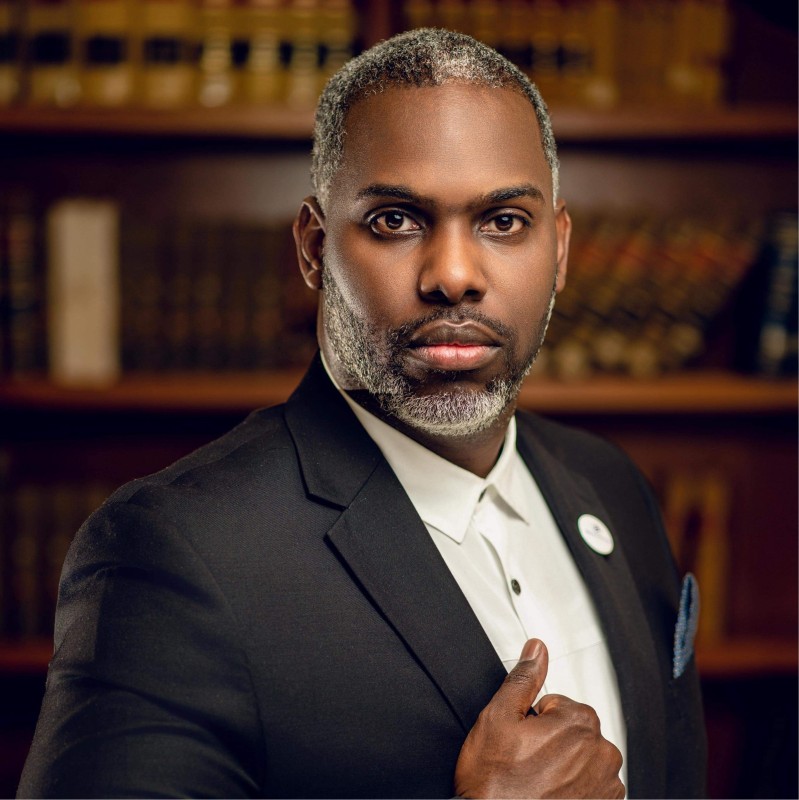
Some organizations measure success by how many people complete their programs. Others ask a harder question: What happens after everyone goes home?
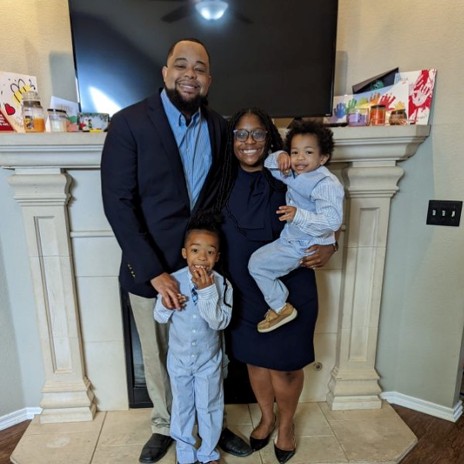
That question sits at the heart of Dimion Denson’s work. Shared on Humans of Fuzia, a global thought-leadership platform where founders, entrepreneurs, coaches, innovators, executives, women leaders, and changemakers exchange ideas that advance leadership, entrepreneurship, women empowerment, business growth, and socially conscious innovation, his story challenges one of the biggest blind spots in youth development: consistency.
Denson’s mission wasn’t born from a business plan. It came from a close call.
As a young man, he admits he made choices that nearly cost him his freedom. At the same time, he was caring for his mother through a difficult divorce. The realization that he could have disappeared from the life of someone depending on him became a turning point.
“I kind of thought about the youth and realized there’s a lot of youth that are probably like me.”
That reflection became Breakthrough Inertia, a nonprofit helping at-risk youth through leadership curriculum, arts initiatives, and international travel experiences designed to expand what young people believe is possible.
His philosophy goes beyond mentorship. Denson argues that too many youth programs are designed around funding cycles instead of human development. When grants end, relationships often end too.
“The relationship… shouldn’t be cut because the program’s over.”
In today’s nonprofit landscape, where outcomes are frequently measured in quarterly reports, that perspective is significant. Sustainable impact is increasingly becoming less about launching new programs and more about building long-term ecosystems of trust—something many organizations struggle to fund despite recognizing its value.
Ironically, funding remains Denson’s biggest challenge. Rather than relying solely on grants, he’s exploring income-generating assets that can provide predictable cash flow and reduce dependence on external funding. It’s a strategic shift many social enterprises are making as they seek financial resilience alongside social impact.
Execution Tip
Choose one person your organization has already served and schedule a follow-up conversation this week. Long-term relationships often create more impact than launching another short-term initiative.
Integrity also shapes Denson’s leadership philosophy.
“Do the right thing, even when nobody else is watching.”
For him, reputation isn’t built through marketing but through consistent actions that earn trust over time. In a world where referrals and credibility often open more doors than advertising, that mindset becomes a competitive advantage as much as a personal value.
Leadership isn’t always about creating bigger programs. Sometimes it’s about refusing to let meaningful relationships expire when the funding does. Stories like Dimion Denson’s remind us why Humans of Fuzia continues to document founders who are redefining business growth through purpose, accountability, and lasting human impact.