



What if the greatest competitive advantage in healthcare isn’t technology, marketing, or scale—but ethics?
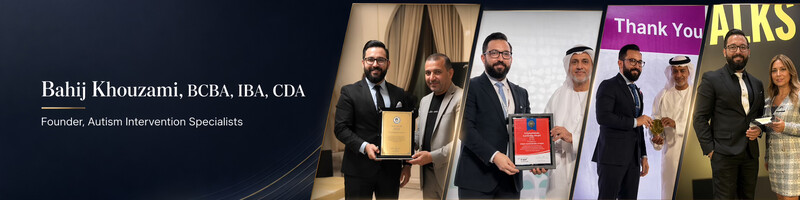
In an era where trust is increasingly fragile and vulnerable communities often face inconsistent standards of care, entrepreneurs in healthcare carry a unique responsibility. For Bahij Khouzami, that responsibility became the foundation of his entire business mission.
At Humans of Fuzia, a global thought-leadership platform focused on leadership, entrepreneurship, coaching, women empowerment, and socially conscious business, we regularly highlight leaders solving meaningful societal challenges. Bahij’s work stands at the intersection of healthcare innovation, ethical leadership, and community impact.
Building a Business Around Trust
While many entrepreneurs begin by identifying a market opportunity, Bahij started by addressing a deeper concern.
His organization provides evidence-based behavioral therapy and Applied Behavior Analysis (ABA) services for children with autism, neurodevelopmental disorders, and behavioral challenges. Yet his motivation extends beyond clinical outcomes.
“What I see missing clinically from other practices is the honesty in this field.”
Working with children and families facing significant challenges requires more than technical expertise. It demands integrity, transparency, and an unwavering commitment to ethical care.
Bahij recognized that many families struggle to identify providers they can fully trust. His vision was to create an environment where safety, ethics, and high-quality care remain the foundation of every decision.
“My vision is to provide as much ethical and moral and safe therapies and environment as much as possible for these kids and their families.”
Why Thought Leadership Matters in Emerging Industries
One of the biggest challenges facing specialized healthcare entrepreneurs is visibility.
Unlike industries that have existed for centuries, Applied Behavior Analysis remains relatively young and often misunderstood.
“This field is not yet as recognized as other practices.”
Bahij believes education and thought leadership are essential to helping families, practitioners, and communities better understand behavioral science and its practical applications.
By increasing awareness, he hopes to bridge the gap between scientific knowledge and public understanding, making evidence-based support more accessible to families who need it most.
Scaling Without Compromising Quality
Like many founders in healthcare and coaching-related industries, Bahij faces a challenge familiar to entrepreneurs everywhere: growth depends on people.
For him, the biggest obstacle is not demand.
“It’s finding trusted clinicians and qualified clinicians.”
As organizations grow, maintaining service quality becomes increasingly difficult. Recruiting skilled professionals who align with a company’s mission, values, and standards often determines whether scaling succeeds or fails.
Although he has already built a team, Bahij remains actively involved in both clinical and operational work because maintaining excellence matters more than growth for growth’s sake.
Creating Educational Systems That Scale Impact
Recognizing the growing demand for qualified professionals, Bahij has expanded beyond direct services into education and workforce development.
His organization launched:
- A 40-hour International Behavior Therapist training program
- A 270-hour advanced bridge program designed to help practitioners become supervisors
- Educational tools for parents seeking practical guidance on childhood behavioral challenges
These initiatives create scalable systems that extend impact far beyond individual therapy sessions. By empowering practitioners and caregivers with knowledge, Bahij is helping strengthen the entire ecosystem surrounding autism support and behavioral healthcare.
Execution Tip
If your business depends heavily on your personal expertise, identify one piece of knowledge you repeatedly teach clients or team members. Transform it into a documented training system, guide, or educational resource that can scale your impact beyond your direct involvement.
What Honest Entrepreneurship Really Means
When asked about honest entrepreneurship, Bahij’s answer reflected the same principles guiding his business.
“Doing things ethically.”
For him, honesty is not merely about transparency. It is about resisting greed, maintaining fair pricing, and ensuring that trust is never exploited.
“Keep it reasonable… not becoming greedy.”
In a marketplace often driven by aggressive growth targets, this perspective serves as a reminder that sustainable businesses are built through trust, responsibility, and genuine service.
Conclusion
Bahij Khouzami’s journey demonstrates that entrepreneurship can be a force for both business growth and social impact. By combining ethical leadership, clinical excellence, education, and innovation, he is helping reshape how autism services and behavioral healthcare are delivered.
Through stories like Bahij’s, Humans of Fuzia continues to provide entrepreneurs, healthcare leaders, coaches, and changemakers with valuable insights on leadership, entrepreneurship, growth systems, and socially conscious innovation.