



What if the biggest mistake businesses make today is not failing to predict the future—but designing as if the future were predictable?
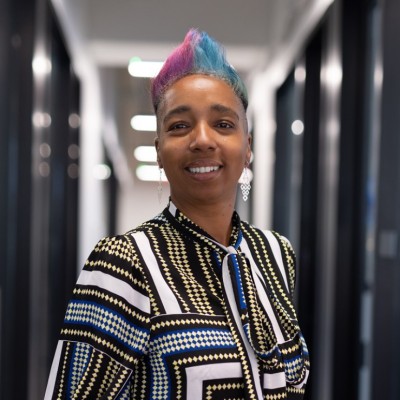
For Celeste Tell, founder of Epicycled, that question sits at the heart of her work in circular workplace strategy, systems thinking and sustainable business transformation. After years as an award-winning designer, Tell saw the hidden cost of conventional workplace design: spaces built for one moment, then discarded when businesses inevitably changed.
“The problem we’re solving is uncertainty and unpredictability for business.”
Her answer is a fundamentally different model: workplaces designed to adapt rather than become obsolete.
Leadership, Entrepreneurship and Social Impact Through Systems Thinking
In 2026, entrepreneurs and leaders face a similar challenge. Growth creates complexity. Teams need accountability. Messaging must evolve. Client acquisition is increasingly competitive, while founders often discover that their systems cannot scale with demand.
Humans of Fuzia (HOF), a global thought-leadership platform spanning leadership, entrepreneurship, coaching, women empowerment and socially conscious business, understands these challenges firsthand. Its community brings together founders, coaches, consultants, small business owners and business leaders navigating the realities of growth.
Tell’s own entrepreneurial journey demonstrates why adaptability matters. After her business partner retired during the pandemic, she rebuilt Epicycled while developing new expertise in change management and leadership. One defining experience came from helping shut down a troubled public development authority—an experience that taught her that meaningful organizational change cannot simply be imposed from outside.
“You can coach it to bring to, but you can’t just come in and do it for another organization. It has to come from within.”
Growth Systems: Build Capacity Without Losing the Mission
Tell’s approach to business growth offers lessons beyond workplace design.
Her strategy includes rebuilding a global and local network, investing in writing and speaking, and using thought leadership to attract aligned opportunities rather than endlessly chasing prospects.
“I don’t want to chase work anymore. I want to find the people that want to do the things that I want to do.”
That principle translates across coaching businesses, consulting firms and small businesses: clarify the Ideal Client Profile, sharpen the message, build authority through speaking and content, and create systems that allow execution to scale.
For founders, delegation is equally critical. Tell identifies the founder’s own time as a major bottleneck—and says that if execution were handled, she would prioritize relationship building, speaking and writing.
Execution Tip
Identify one recurring task that consumes your highest-value time. Document the process, delegate it, or build a system around it. Then reinvest the recovered time into relationships, authority-building and strategic growth.
Connect with Celeste Tell
- LinkedIn: https://www.linkedin.com/in/celestetell/
- Website: https://epicycled.com/
Celeste’s philosophy ultimately extends beyond sustainability: believe in the work, adapt to the market, build your community and keep going.Celeste Tell
As she puts it, “No is only no right now, today.”
That mindset captures the deeper lesson for modern entrepreneurship: sustainable growth is not about predicting everything. It is about building leaders, businesses and growth systems capable of adapting when the unexpected arrives.
Humans of Fuzia continues to create a space where these conversations can become practical leadership and entrepreneurial learning for the next generation of founders and change-makers.