



Artificial intelligence isn’t just another piece of software.
It’s becoming a decision-maker inside organizations.
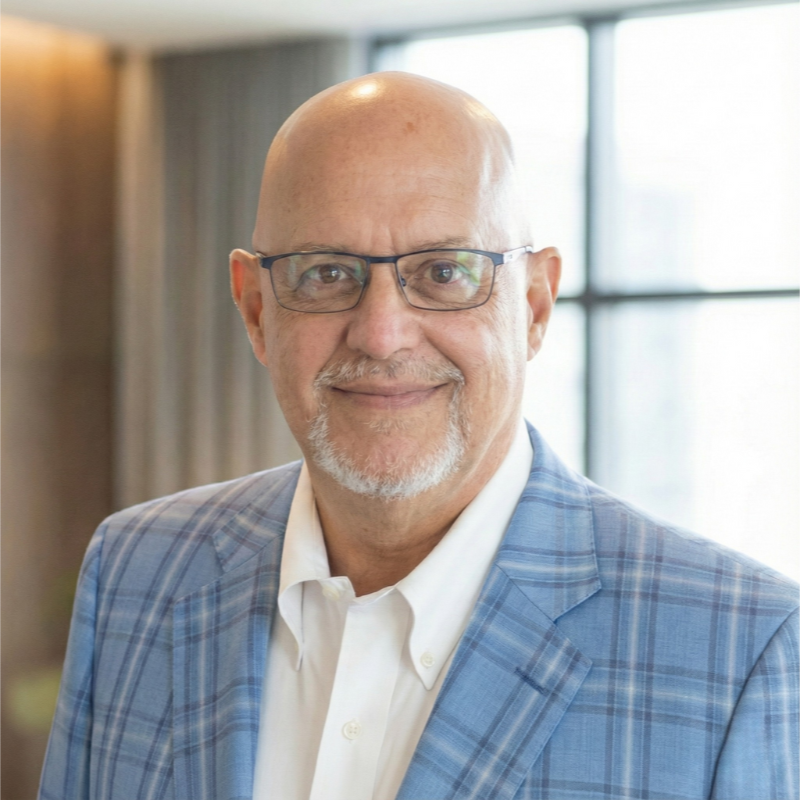
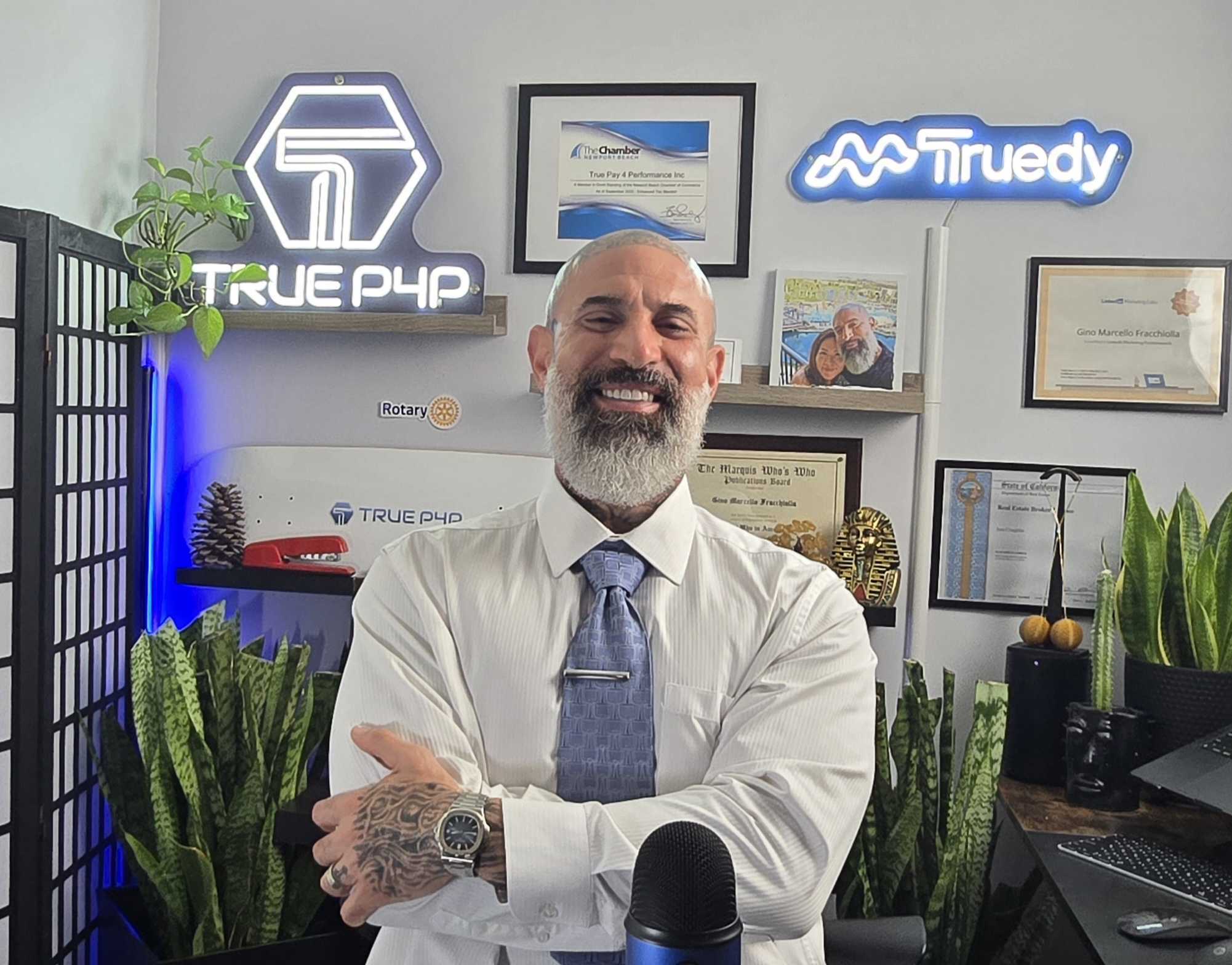
That distinction is exactly why so many businesses are getting AI wrong, according to Chris Trocola. During a recent Leadership Conversations session hosted by David Bishop, leadership advisor and executive coach, Trocola shared why the future of AI isn’t defined by bigger models or faster automation—it’s defined by governance, accountability, and leadership.
As organizations rapidly adopt AI, he believes the companies that succeed won’t simply deploy the technology—they’ll learn how to manage it responsibly.
From Compliance Expert to AI Safety Leader
Chris Trocola’s journey into artificial intelligence didn’t begin with AI.
It began with compliance.
After helping establish safety standards within the solar industry and collaborating with organizations including the U.S. Department of Energy, the National Renewable Energy Laboratory (NREL), the Federal Trade Commission, and state Attorneys General, Trocola discovered a larger opportunity.
As generative AI entered the mainstream, organizations rushed to deploy it without the governance frameworks needed to manage its risks.
Rather than becoming another AI consultant, he chose a different mission: helping organizations define what responsible AI actually looks like.
Today, his firm develops AI safety standards, governance frameworks, and enterprise advisory services that help businesses implement AI responsibly across highly regulated industries.
AI Isn’t Software—It’s an Employee
One of the most thought-provoking moments of the conversation came when Trocola explained how leading AI companies fundamentally differ from many organizations adopting the technology.
“They’re treating it like an employee,” he said.
That mindset changes everything.
Instead of assuming AI will always produce the right answer, organizations should approach it the same way they would any new hire—providing training, establishing policies, testing performance, defining accountability, and continuously monitoring outcomes.
Without those safeguards, AI introduces legal, operational, and reputational risks that many executives fail to recognize until it’s too late.
The Hidden Risk Most CEOs Never See
When David Bishop asked how CEOs should prepare their organizations for AI, Trocola highlighted a problem few leaders realize already exists.
Shadow AI.
Employees frequently adopt AI tools independently, while software vendors quietly embed AI capabilities into platforms companies already use.
As a result, executives often believe only a handful of AI applications exist inside their organizations when, in reality, dozens may already be processing sensitive business information.
Rather than attempting to eliminate this behavior entirely, Trocola advocates creating governance policies, approved AI tools, employee education, and clear accountability frameworks that protect both the organization and its customers.
Leadership Must Build Trust Before Scale
Throughout the discussion, David Bishop connected AI governance with one of the defining responsibilities of executive leadership.
Scaling technology requires the same discipline as scaling organizations.
Strong leaders don’t simply introduce new capabilities—they create systems, expectations, and cultures that enable those capabilities to operate responsibly.
Trocola believes that future-ready organizations will increasingly build secure internal Small Language Models (SLMs), allowing employees to access AI trained specifically on company knowledge, policies, and procedures rather than relying entirely on public Large Language Models.
The result is greater security, stronger governance, and AI systems that reflect the organization’s own standards and expertise.
Execution Tip
Ask your leadership team one simple question: “How many AI tools do we think employees are currently using?”
Then verify the answer. The gap between perception and reality is often where the greatest organizational risk exists.
Final Thoughts
Chris Trocola’s perspective serves as a reminder that AI transformation is fundamentally a leadership challenge—not simply a technology initiative.
Organizations that thrive will be those that treat AI with the same discipline they apply to hiring people: establishing expectations, building accountability, and creating systems that encourage responsible decision-making.
Through Leadership Conversations, David Bishop continues to bring together visionary leaders whose insights help founders and executives navigate the intersection of leadership, innovation, and organizational transformation in an increasingly AI-driven world.
Connect with Chris Trocola
LinkedIn:Christopher Trocola | LinkedIn