



Why Sustainable Growth Starts With Well-Being
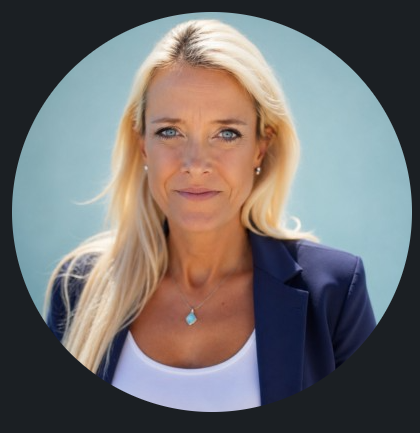
Entrepreneurship is often sold as freedom. But Lisa Ardley-Price sees a different reality: building a business can mean carrying its responsibilities long after the laptop closes.
After spending years in a high-pressure corporate legal environment, Lisa began exploring a different question: How can ambitious people achieve meaningful results without sacrificing their well-being?
That question became the foundation of her entrepreneurial journey—and eventually led to Channel Your Serenity, the holistic coaching business she co-founded with Dr. Lauren Jacquet.
As part of the Honest Entrepreneur Growth Series, Humans of Fuzia explores the realities behind entrepreneurship, leadership coaching, women empowerment, and sustainable business growth. With its understanding of coaches, founders, and socially conscious entrepreneurs, HOF brings forward the lessons behind the polished success story.
From Corporate Pressure to Holistic Coaching
Lisa’s journey began with fitness training before expanding into coaching and mindfulness somatics. Today, Channel Your Serenity combines lifestyle medicine, coaching, mindfulness, and body-based practices to help people pursue ambitious goals without compromising their health.
Her philosophy is straightforward: “It is hard, it is challenging, and you have to draw your own boundaries around it.”
For founders navigating the complexity of 2026, that perspective matters. Growth is not simply about acquiring more clients. It also requires leadership development, clear messaging, effective business systems, delegation, and sustainable execution.
Delegation Is a Leadership Skill
Running a business with just two founders has taught Lisa that delegation is rarely just about handing over tasks.
Founders often struggle because, as she explains, “No one else is inside your head.”
The solution is stronger communication: define what you want to achieve, explain how you want to be perceived, establish expectations, and find people whose values align with yours.
For growing coaching businesses and small enterprises, this becomes critical. Scaling requires moving from founder-dependent execution toward repeatable systems, clear roles, accountable teams, and strategic outsourcing.
Growth Systems, Networks and Collaboration
Lisa also highlights funding, time, team building, and access to the right networks as common scaling challenges. Her approach is collaborative: learn from other founders, share resources, and build relationships that create opportunities.
Her mantra captures it perfectly: “Collaboration over competition is certainly one of my mantras that I live by.”
That principle can support everything from speaking opportunities and authority building to client acquisition, partnerships, and women-in-leadership communities.
Execution Tip
Identify one task you should no longer own. Document the desired outcome, explain the process, and define what “good” looks like. Use that as the first step toward building a scalable business system.