


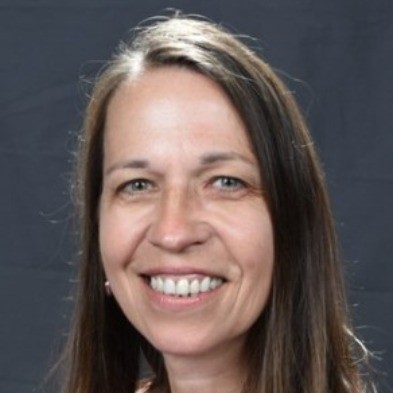
Why Better Leadership Begins With Becoming a Better Human
Leadership is not simply about directing people. It is about understanding them, earning their trust, and recognizing the impact of your own behavior. For Carol Dahlke, founder of Optimum Leadership Academy, this belief emerged through personal experiences, healthcare leadership challenges, and one of her most important teachers: her youngest daughter, who has Down syndrome.
Featured by Humans of Fuzia (HOF), a global thought-leadership platform at the intersection of leadership, entrepreneurship, coaching, women empowerment, and socially conscious business, Carol shares why authentic leadership begins with personal growth—and how better communication can transform teams and businesses.
From Healthcare Professional to Leadership Coach
A dental hygienist by trade, Carol initially built her business, Optimum Dental Consulting and Coaching, after former clients encouraged her to work independently. Entrepreneurship, however, brought challenges she had not anticipated.
“As a woman, I didn’t know how to sell myself,” she explained, describing the tension between promoting her expertise and delivering services to clients.
A difficult workplace experience eventually strengthened her commitment to leadership coaching. She recognized how assumptions, poor treatment, and ineffective leadership can affect people—and how much organizations need leaders who approach others with respect.
Her daughter had already taught her a powerful lesson: treating people as equals can shape who they become.
Carol’s philosophy is rooted in continuous development. “It’s about how do I help others grow along with me being able to grow as well.”
Leadership Coaching, Communication and Team Growth
In 2026, entrepreneurs and business leaders face increasingly complex challenges, from team accountability and client acquisition to unclear messaging and systems that struggle to support growth.
Carol’s approach offers a practical starting point: improve the person leading the business before attempting to improve the entire team.
Through one-on-one coaching, group sessions, and workshops, she works with dentists and their teams to challenge limiting beliefs, strengthen confidence, and develop more effective leadership practices.
Her coaching also explores how people interpret situations. When someone believes they have failed, Carol encourages them to question the story behind that conclusion.
“What makes it true?”
This simple question creates space for reflection, alternative perspectives, and more constructive decisions.
For small businesses and scaling coaching practices, the lesson is significant: sustainable growth requires more than sales funnels and marketing strategies. It also depends on communication, trust, delegation, and leaders who can help teams perform with confidence.
Carol is also developing an interactive communication workbook for dental professionals, emphasizing how thoughtful communication builds respect and trust.
Women Empowerment and Authentic Confidence
Carol’s journey highlights a challenge many women entrepreneurs experience: believing in their expertise while learning to make their value visible.
Her business has grown through referrals, professional relationships, LinkedIn, and in-person industry engagements. Her next step is to reach more clients through leadership coaching and educational resources.
Her advice to her younger self captures the heart of her leadership philosophy: “Believe in yourself as the skills that you have, that they are valuable.”
For women in leadership, this is a reminder that confidence does not require the absence of self-doubt. It requires recognizing the value of your experience and continuing to act despite uncertainty.
Execution Tip
Challenge one limiting belief tomorrow. Write down a thought holding you back, such as “I’m not ready to lead.” Ask, “What makes this true?” Identify evidence of your capabilities and one practical action you can take. Apply the same question when coaching a team member through uncertainty.