



In 2026, entrepreneurs are no longer struggling because of a lack of ambition. They are struggling because growth itself has become more complex. Scaling teams, maintaining consistent messaging, building sustainable systems, and staying visible in an overcrowded market have quietly become the defining leadership challenges of modern entrepreneurship.
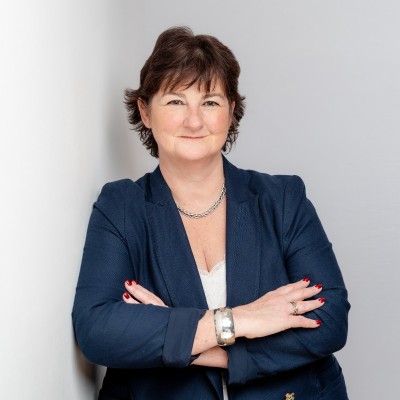
That is precisely why conversations like the one between and entrepreneur Sarah Strackhouse matter.
At a time when many founders are pressured to appear polished, Sarah offered something far more valuable: honesty.
“I think many founders hesitate to delegate because they have so much pride in what they started,” she shared. “Letting that control go can be hard for people.”
That single insight reflects a challenge thousands of coaches, entrepreneurs, and small business leaders are navigating globally.
As a platform operating at the intersection of leadership, entrepreneurship, coaching, women empowerment, and socially conscious business, has consistently documented these real-time entrepreneurial realities — not just success stories, but the systems, struggles, and leadership evolution behind sustainable growth.
For Sarah, entrepreneurship began with a deeply personal turning point.
After working as a reporter and television anchor, motherhood reshaped her priorities. “When I had my son, I was ready to get out of the news business and get into something that I could call my own,” she explained. What she sought was not simply independence, but flexibility, ownership, and the ability to build a business aligned with family and purpose.
Today, she leads what she describes as a “small team, but mighty,” while navigating one of the most important business leadership transitions: moving from founder-led execution to scalable systems.
Scaling Leadership: Why Growth Systems Matter In 2026
One of the most powerful themes from Sarah’s conversation was operational scalability — an issue affecting entrepreneurs across industries.
“The biggest struggles that we’re seeing is scaling,” she said. “We are needing to make sure that we have structure and a system in place.”
This reflects a broader reality for coaching businesses, personal brands, and entrepreneurial ventures in 2026: visibility alone is no longer enough. Sustainable growth now depends on repeatable systems.
Sarah’s approach to visibility is strategically layered:
- Consistent cross-platform messaging
- Monthly speaking opportunities
- Podcast interviews
- Media visibility through radio and television
- Staying “constantly top of mind”
This is a strong reminder that authority-building today requires ecosystem visibility, not isolated marketing efforts.
Equally important is her focus on sales infrastructure and lead follow-up systems — a challenge many founders postpone until growth becomes chaotic.
For leadership coaches and entrepreneurs, the lesson is clear: scalable businesses require scalable communication, delegation, and client acquisition systems.
Honest Entrepreneurship As A Leadership Strategy
Perhaps Sarah’s most compelling insight came when discussing ethical leadership.
“I think it means having morals and ethics,” she said. “Doing the right thing even when the right thing is hard.”
In an era where performative branding often overshadows authentic leadership, her perspective stands out as both practical and necessary.
Execution Tip
Audit your business follow-up process this week. If leads, client conversations, or speaking opportunities are currently managed manually, document one repeatable system your team can follow consistently. Scalable growth begins with repeatable processes.
Connect with Sarah Strackhouse
- LinkedIn: Sarah Strackhouse | LinkedIn
As leadership, coaching, and entrepreneurship continue evolving globally, remains committed to spotlighting founders who are building businesses with clarity, systems thinking, and human-centered leadership — the qualities increasingly defining sustainable success in modern entrepreneurship.