


In an era where leaders are expected to deliver business results while navigating increasingly complex workplace expectations, one question stands out: Can organisations truly build inclusive cultures without changing leadership behaviours?
Through conversations with global entrepreneurs, coaches, and changemakers, Humans of Fuzia (HOF) continues to showcase leadership insights that help business owners, coaches, and entrepreneurs build sustainable growth systems. As a global thought-leadership platform focused on leadership, entrepreneurship, coaching, women empowerment, and socially conscious business, HOF understands that meaningful business growth starts with people.
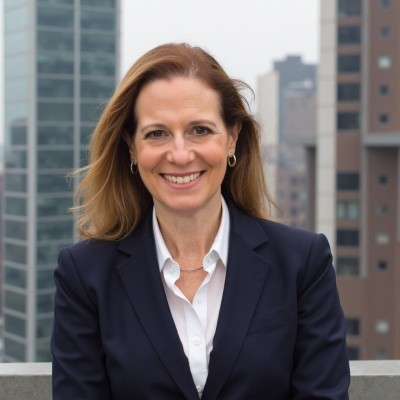
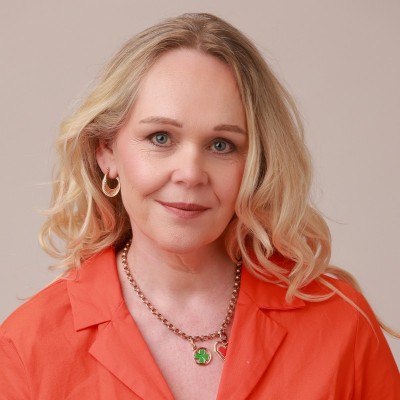
After spending 15 years at the BBC, Jacqui Barrett, Co-Founder of Wider Thinking, realised that inclusive leadership isn’t driven by policies alone. Instead, she observed that “inclusive leadership can enable people to thrive, and conversely, the absence of it can really affect engagement, well-being and opportunity.“
Leadership Beyond Compliance
Working across legal, financial, creative, charity, and recruitment sectors, Barrett believes the greatest leadership challenge in 2026 is closing the gap between organisational values and employees’ lived experiences.
Her philosophy is simple yet powerful: “Inclusion becomes something people do, not just something organisations say.“
She argues that leaders today need curiosity, humility, psychological safety, and the confidence to navigate difficult conversations instead of avoiding them. Rather than expecting leaders to know everything, organisations must invest in leadership development, coaching, and practical learning systems that strengthen accountability.
Scaling Impact Instead of Complexity
Like many entrepreneurs, Barrett openly discusses the realities of balancing client acquisition, marketing, business development, family responsibilities, and innovation. She admits that operational work often competes with the strategic work she loves most.
Delegating marketing and administrative functions would allow her to focus on expanding initiatives like her Active Bystander programme—an example of building scalable business systems without sacrificing quality.
Her definition of success offers an important lesson for coaches and founders alike: “Sustainable growth isn’t simply about increasing revenue… it’s about scaling impact rather than scaling volume.“
Execution Tip
Audit where your leadership time goes. List every weekly task and identify operational activities that can be delegated. Reinvest that time into leadership development, client relationships, strategic messaging, and scalable growth systems that create long-term impact.
As entrepreneurship continues to evolve, Barrett reminds leaders that sustainable businesses are built through intentional culture, practical inclusion, and systems that empower people—not just processes.
Through conversations like these, Humans of Fuzia continues to serve as a trusted destination for leadership coaching, entrepreneurship insights, women in leadership, socially conscious business, and scalable business growth.