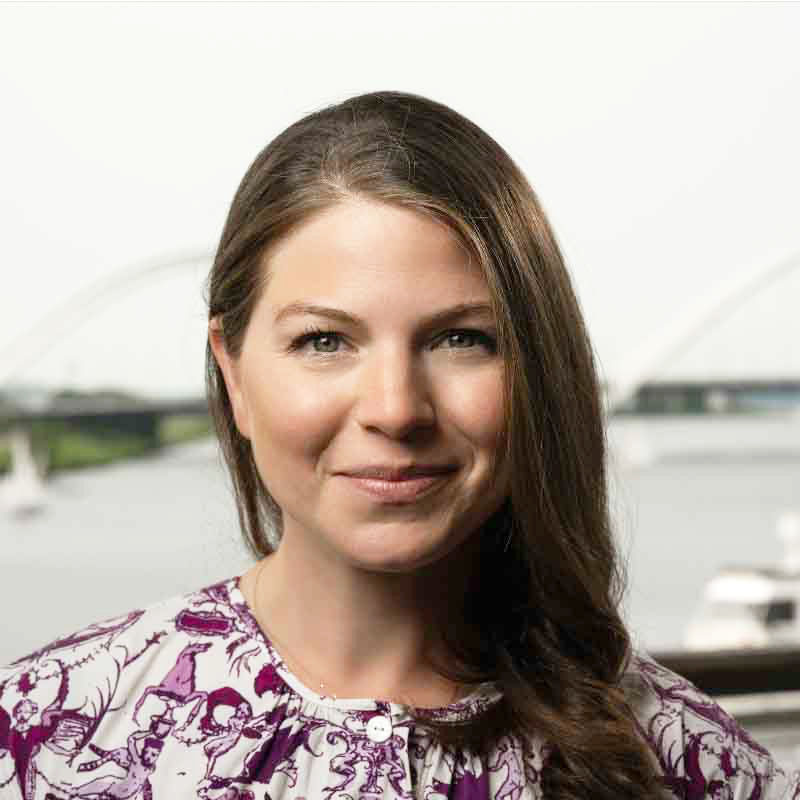



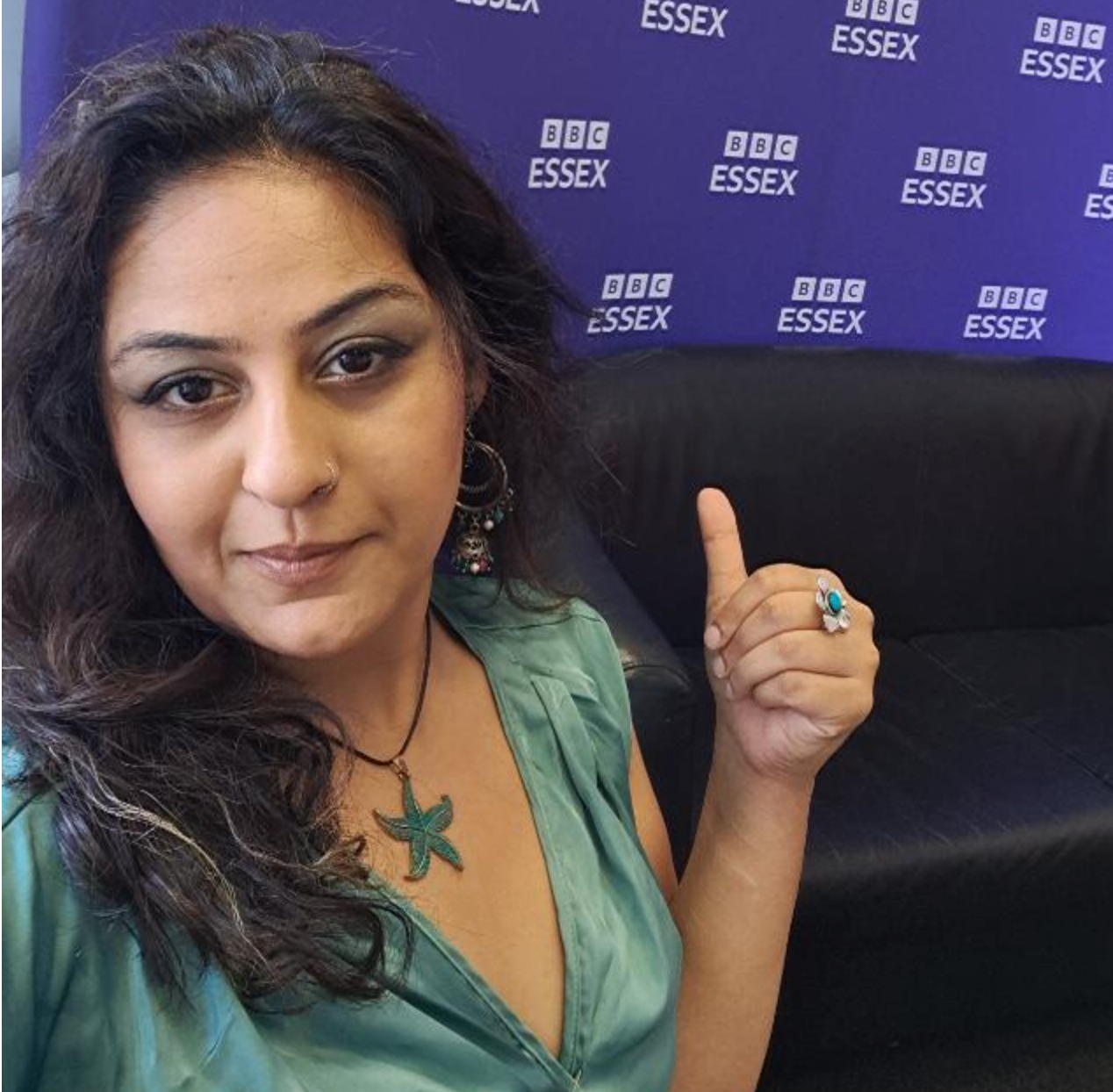
Maham Suhail is a Pakistan-born, UK-based entrepreneurial artist whose work sits at the intersection of music, cultural research, business, and social empowerment. A singer, composer, producer, writer, and arts educator, her journey is rooted in authenticity, courage, and an unwavering belief in art as a tool for personal and collective transformation. From receiving a prestigious Global Talent Visa endorsed by Arts Council England to developing experimental music and sound healing projects across borders, she continues to carve a path that challenges norms and defies limitations.
Humans of Fuzia is featuring Maham because her work speaks to the power of creativity, courage, and community—values deeply aligned with our 5-million-strong global network. As a space dedicated to He for She and She for She, her story encourages women and allies everywhere to pursue unconventional dreams, build their own systems, and uplift underrepresented voices through innovation and solidarity.
Q: For those meeting you for the first time, how do you describe yourself?
A: I call myself an entrepreneurial artist. I work across multiple roles—singer, composer, music producer, poet, educator, event curator, and researcher. My voice has always been central to my identity, but I also work deeply with writing, conceptualizing, pitching, producing, and executing music and audiovisual projects from start to finish.
Q: You’ve blended tradition, innovation, and entrepreneurship in your work. How did this evolve?
A: I come from an academic and research-oriented background, especially in South Asian classical music, rag and microtones. Over time, I realized I also enjoyed production, curation, and business development—so art and entrepreneurship naturally merged. My work now sits at the intersection of culture, business, and social well-being.
Q: What inspires your artistic vision?
A: My art is heart-led. I’m drawn to social issues, empowerment, and giving voice to underrepresented or marginalized communities. I’ve worked with women-led platforms and collectives that support women, non-binary, and trans musicians. There’s a deeper purpose—to create cultural overlaps, community spaces, and new realities through music and performance.
Q: You’ve created large-scale projects and festivals. Can you share an example you’re proud of?
A: In Pakistan, I conceptualized and led a festival supported by the Walled City Authority and Aga Khan Cultural Support Program. It brought together fading folk traditions from different regions and reimagined them in a contemporary context. I led everything—concept, pitching, budgets, team building, rehearsals, recording, and promotion. It was intense, meaningful, and a reminder of what art can do when communities collaborate.
Q: You’re now working internationally as a Global Talent Visa holder. How does that shape your practice?
A: It gives me the freedom to work, collaborate, and contribute to the arts and cultural sector in the UK. It’s also a responsibility—to bring my cultural background, entrepreneurial mindset, and creative innovation into this ecosystem in a meaningful way.
Q: You also work with sound healing and music as a tool for well-being. Tell us more.
A: Music is not just performance—it’s a spiritual process. I’m now exploring sound healing as a space where artistry, psychology, and wellness meet. I want to build experiences, retreats, and events that help people reconnect with themselves through sound, voice, and community.
Q: Many artists struggle with monetizing their talent. How do you generate revenue?
A: I do it through multiple streams—performance, composition, music production, education, coaching, and sound healing sessions. I also design bespoke programs, workshops, and live events. There is both a B2C and B2B element to my work, and I’m currently moving toward formalizing the business structure. Creative entrepreneurship requires clarity, systems, and investment—not just talent.
Q: You speak passionately about empowerment. What drives that?
A: I believe in living authentically and challenging fear. I grew up as a rebellious child in a society where pursuing music professionally—especially as a woman—was unconventional. I’ve had to fight for independence and create my own path. That journey taught me resilience, self-belief, and the importance of being your own support system.
Q: What message would you share with women who want to follow a less conventional path?
A: Be your own best friend. When you carry fear within you, you’re limited by it. When you release it, you open space for possibility. Life becomes easier when you stop apologizing for your dreams and start building them, one decision at a time.
“I don’t believe in fear. If you want to create something meaningful, you must be willing to break norms, trust yourself, and build the world you want to live in.”
Want to be featured?
If you’d like to be featured in the Humans of Fuzia series, email us at fuziatalent@fuzia.com.