



Amy Pierre-Russo left the HR world after watching mothers lose professional ground. Then she found founders carrying the same weight. Her answer to growth is not a bigger funnel.
By Helen Davis, Humans of Fuzia Covers entrepreneurship and leadership through in-depth founder interviews for Humans of Fuzia.
The laptop is shut, but the business is still open. It sits at the dinner table, rides along to family movie night, and keeps reminding its owner that a client email is overdue.
That split-screen guilt is the problem Amy Pierre-Russo built her coaching business around. She spoke with Humans of Fuzia, a global thought-leadership platform where founders, coaches, executives and changemakers share ideas that advance leadership, entrepreneurship and women empowerment, for its Honest Entrepreneur Growth Series, which documents what is working and what isn’t.
Her starting point was HR, where she watched people with family responsibilities become less competitive at work. That pushed her toward certifications in business, life and leadership coaching. Then came the twist: even after women left employment for founder freedom and flexibility, the same patterns followed.
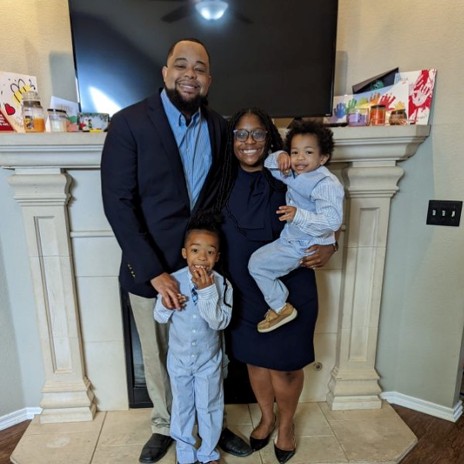
Her clients are service-based founders who are moms: answering emails through dinner, with no office door to close. “They feel guilty no matter where they are,” she says.
That is measurable. A YouGov survey for Deloitte UK, reported in June 2026, found about two-thirds of working mothers reporting burnout from too little personal time, versus under half of fathers. The data covers employees, but Pierre-Russo’s experience suggests founding a business doesn’t automatically fix it.
Scaling Without a Template
Pierre-Russo is a solopreneur whose work starts from each client’s vision of the lifestyle they want. “It’s very much not a cookie cutter approach,” she says. That creates a classic growth tension: personalization is what clients value, and it resists scale.
Her answer wasn’t a bigger course catalog. She built a live, private online community where members brainstorm, collaborate and share experiences, deliberately distinct from a social media group. It is now relaunching as the Harmonious Moms Roundtable, with expert guest speakers, through year’s end.
The mechanism matters: members supply expertise to one another, so the founder’s time isn’t the only source of insight. For small business leadership, that is a growth system built on connection rather than content volume.
What Progress Looks Like
Asked what lights her up, she doesn’t mention revenue. She describes a client finally taking the big vacation with her kids, or building the savings reserve she’d worked toward. The work, she says, is clarity about priorities as they evolve, and clearing clutter that drains energy.
She applies the same filter to herself. Her own obstacle is prioritization: deciding what belongs in this season, the next, and the one after, while running a business as a mom. Technology faces one test: does it create more time for connection, well-being and skill growth, or less?
The Peer Takeaway
Many founders in this space build flexibility into their offers but not their own days. Pierre-Russo’s transferable lesson is to sequence by season: choose what gets focus now, defer the rest deliberately, and judge each tool by the time it returns.
Execution Tip
Tonight, before closing your laptop, write down everything still on your mind. Sort each item into three columns: this season, next season, not a priority. Then remove one item from tomorrow’s list.
The Takeaway
Growth that costs a founder the dinner table borrows against the life the business was meant to fund. Pierre-Russo measures success by presence rather than reach, the kind of honest conversation Humans of Fuzia exists to document.