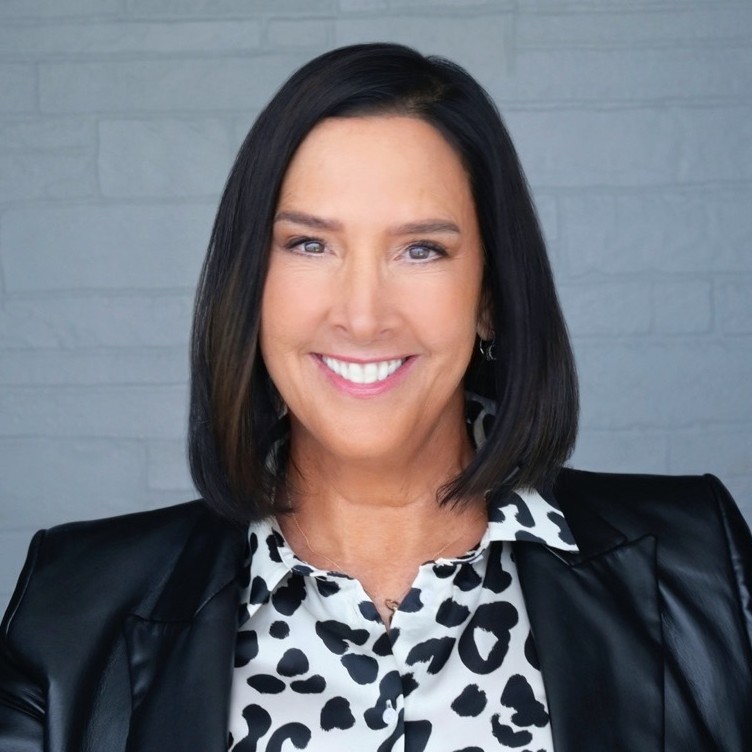


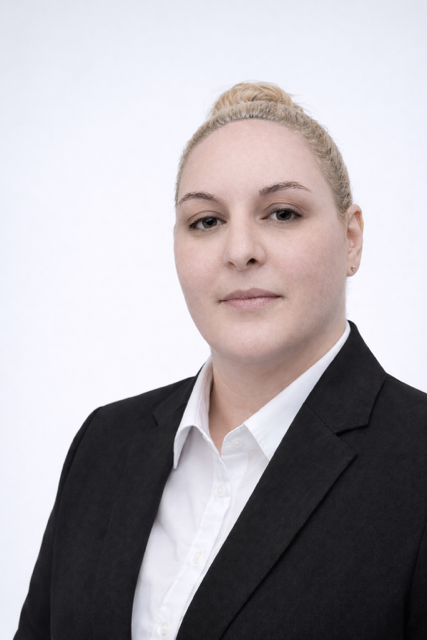
Andrea Robinson turned a childhood she couldn’t explain into a coaching practice built on one radical idea: the past doesn’t have to script the future.
Most teenagers who act out get labeled: undisciplined, ungrateful, difficult. Andrea Robinson was one of them — and she remembers exactly why no one around her connected the dots. “I liked to show my trauma in a dramatic way,” she says now, describing a version of herself shaped by a wound most adults never thought to ask about: she was adopted, and she was carrying more than anyone could see.
That gap — between what people display and what they’re actually working through — has become the entire premise of Robinson’s coaching business. It’s also exactly the kind of founder story Humans of Fuzia was built to surface: a global platform where entrepreneurs, coaches, and changemakers share the ideas advancing leadership, women’s empowerment, and socially conscious business.
Robinson’s practice centers on adoption trauma, a subject she says gets almost no public attention despite shaping how adoptees navigate relationships, self-worth, and identity well into adulthood. She isn’t approaching it as an outside expert. She’s adopted herself, which she considers the most important thing a prospective client should know about her before anything else. It’s less a credential than a promise: she has sat exactly where they’re sitting.
Her clients skew toward teens, and it’s not incidental — Robinson recognizes her younger self in kids coming out of foster care who are, in her words, acting out because no one taught them another way to carry what happened to them. Her job, as she describes it, isn’t to fix that behavior directly. It’s to stay present while the client does the harder work themselves. “You have to guide them, because you can’t make them do anything. They have to do it on their own,” she explains — a distinction that separates coaching from rescuing, and one that shapes every session she runs.
The philosophy underneath all of it is deceptively simple: “You can’t change the trauma, but you can change the future.” It’s not a slogan — it’s the operating system of her business, built entirely solo, run alongside her husband of 30 years, and distributed almost exclusively through TikTok, where she says every video she posts is something she’s personally lived through.
That authenticity is also where Robinson’s growth stalls. She has an audience and a message people connect with once they hear it — the problem is getting them to hear it at all. “I can explain it until I’m blue in the face, but until you experience it, you might not understand,” she says of the disconnect between her one-on-one impact and her digital visibility. It’s a strikingly common founder problem: audience trust doesn’t automatically convert into audience comprehension, and messaging clarity often matters more than reach.
Adoption trauma remains under-addressed industry-wide — adoptees face significantly elevated rates of PTSD, depression, and identity disruption compared to non-adoptees, according to recent clinical research, a gap Robinson is trying to close through direct, lived-experience coaching rather than clinical distance. For other founders building trauma-informed or values-driven practices, her approach offers a transferable lesson: consistency of message, not volume of content, is what builds trust over time.
Execution Tip: Robinson built her entire client base on one platform by posting only what she’s personally lived. Before your next post goes out, ask whether it reflects something you’ve actually experienced — if it doesn’t, don’t publish it yet.
Robinson isn’t chasing scale for its own sake. “As long as we affect or help one person, that’s all we care about,” she says — a reminder, in an industry obsessed with reach, that impact and audience size were never the same metric.
Connect with Andrea Robinson
- TikTok: www.tiktok.com/@mystic.desiree
- Instagram: https://www.instagram.com/mystic.desiree?