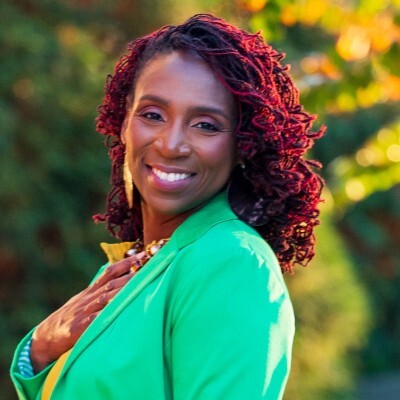




Technology entrepreneur and AI strategist Ronald Bolden Jr is the founder of Shy Marketing, a company dedicated to helping founders, solopreneurs, and businesses grow without relying on traditional cold-calling methods. With over three decades of experience in technology, sales, and digital innovation, he has built systems that combine AI, automation, and partnership-driven strategies to support sustainable business growth.
From overcoming personal shyness to becoming a leader in communication-driven sales strategies, his journey reflects resilience, continuous learning, and a strong commitment to helping others succeed—especially founders who struggle with sales and marketing.
As part of the Fuzia initiative, Humans of Fuzia features his story to inspire entrepreneurs and innovators worldwide.
Q: Could you share your professional journey and what inspired you to become an entrepreneur in technology and AI?
A: My journey began over 30 years ago in technology. I was an early adopter of the internet and cloud technologies. Early in life, I was very shy and introverted, and I struggled with communication.
A turning point came when I lost an internship during college. That experience pushed me to step outside my comfort zone and improve my communication skills. I joined a door-to-door sales program and received training from Zig Ziglar, which transformed my perspective on communication and relationships.
Later, while working in corporate sales, I developed strategies that allowed me to succeed without traditional cold calling. Eventually, I started my own company to help technical founders and introverts grow their businesses through authentic conversations rather than aggressive sales tactics.
Q: What is the core mission behind Shy Marketing and how does it help businesses?
A: The main goal of Shy Marketing is to remove the anxiety many founders experience around sales—especially cold calling. We help businesses identify people who are already interested in their services and create systems that convert those interests into meaningful conversations and appointments.
We use AI-powered tools, automation, and partnership strategies to generate qualified leads, manage appointments, and build joint ventures. Instead of selling aggressively, we focus on conversations that naturally lead to business opportunities.
I often say, “Don’t buy leads—build systems.”
Q: What are your thoughts on women’s empowerment, especially in entrepreneurship?
A: From my perspective, women founders often face additional challenges compared to men. They balance multiple responsibilities—professional and personal—and carry historical and social pressures that others may not experience.
I believe in helping founders by removing burdens wherever possible. If we can take some responsibilities off their plate—whether marketing, operations, or sales—it allows them to focus on their strengths and create greater impact. Many of my strongest partnerships have been with women founders, and I value those collaborations deeply.
Q: What has been the biggest challenge in your entrepreneurial journey?
A: The biggest challenge is managing multiple demands and moving from being a “lifestyle founder” to a “legacy founder.”
A lifestyle founder handles everything personally, which limits growth. A legacy founder builds systems, teams, and processes that allow the business to operate beyond the individual.
Time management, prioritization, and learning to delegate are essential. You cannot do everything yourself if you want long-term success.
Q: What advice would you give to young entrepreneurs building their businesses today?
A: Identify what you are not good at or what you don’t want to handle, and find the right partners to help you.
Success comes from collaboration. Find people who support your growth, value their time, and build strong relationships with them. Having the right support system helps you grow faster and maintain balance.
Q: What are your views on AI and maintaining authenticity in the age of automation?
A: AI is a powerful tool, but it should never fully replace human judgment. You must test, verify, and monitor its output because AI can make mistakes depending on how it is programmed or used.
Use AI to eliminate repetitive tasks and save time, but always maintain quality control. Responsible use of AI means balancing automation with human insight and authenticity.
“Build systems, create partnerships, and focus on meaningful conversations. Growth happens when you stop trying to do everything alone.”
Connect with Ronald Bolden Jr:
https://www.linkedin.com/in/ronaldboldenjr/
https://www.shymarketingllc.com/
Want to be featured?
Share your journey through Humans of Fuzia by reaching out at fuziatalent@fuzia.com.