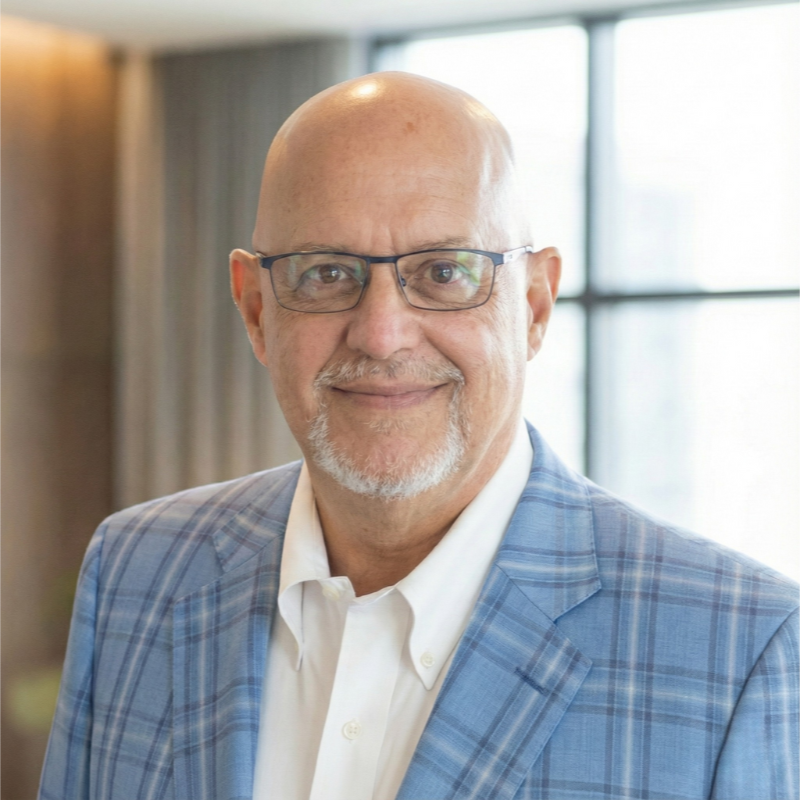




What if the success you are working so hard to achieve is keeping you from the life you actually want?
For Peter Post, this question became the starting point of a profound personal and professional transformation. After years of pursuing achievement through international business, entrepreneurship, and social impact, he began questioning a familiar definition of success: one built around external validation, financial milestones, and constantly reaching the next target.
His experience led him toward a different mission: helping individuals and organizations build success around happiness, purpose, and human potential.
From Chasing Success to Living It
Post’s interest in social entrepreneurship took shape during his studies at Oxford in 2008, when the idea of businesses creating positive impact for people and the planet was still far from mainstream. He became increasingly interested in how entrepreneurship could contribute to something beyond financial performance.
A personal turning point in 2011 challenged him to examine his own relationship with achievement. He recognized that the pursuit of recognition had come at the expense of other important parts of life, including health, relationships, and fulfilment.
Rather than treating happiness as a reward waiting at the end of success, he began making it part of how he lived and worked.
This philosophy now informs his work with founders, CEOs, senior executives, and younger professionals navigating questions of purpose, balance, and identity. His approach challenges the assumption that people must first secure a prestigious job, substantial wealth, or public recognition before they can feel fulfilled.
In a culture increasingly shaped by comparison and social media, that distinction matters. External milestones can keep moving further away, while the relationships and experiences that make life meaningful are neglected.
When Happier People Build Better Organizations
Post’s approach to leadership connects personal fulfilment with organizational performance. He believes workplaces can create environments where people feel valued, understand their contribution, and have the opportunity to develop their talents.
One example involved a business owner whose companies were financially successful but whose work felt increasingly meaningless. Through coaching, the owner began shifting his attention toward the people behind the business, listening to their needs and helping them realize their potential.
The result was a broader sense of purpose, greater employee engagement, and more opportunities for people to contribute ideas. Success became about more than running profitable companies; it became about building a workplace where people could thrive.
Post also supported educators working to bring gratitude, connection, cooperation, and reflection into elementary education. By helping them develop a clearer vision and a foundation for growth, he helped strengthen their ambition to extend their impact beyond a local initiative.
Both examples reflect a central principle: leadership becomes more powerful when people understand why their work matters.
Redefining Leadership for the Future
Today, Post is focused on developing a new approach to leadership, while balancing work with health, relationships, and personal interests. He is also preparing a book intended to bring these ideas to a wider audience.
His message is not that ambition or financial success should be abandoned. It is that neither should come at the cost of a meaningful life.
For leaders, the opportunity is to build organizations where people can contribute their best without losing themselves in the process. For individuals, it is to question whether their definition of success genuinely reflects what they value.
Ultimately, sustainable success may begin not with achieving more, but with understanding what makes the achievement worthwhile.
Connect with Peter Post: https://www.linkedin.com/in/ppost/
https://thehappinessmodel.com/