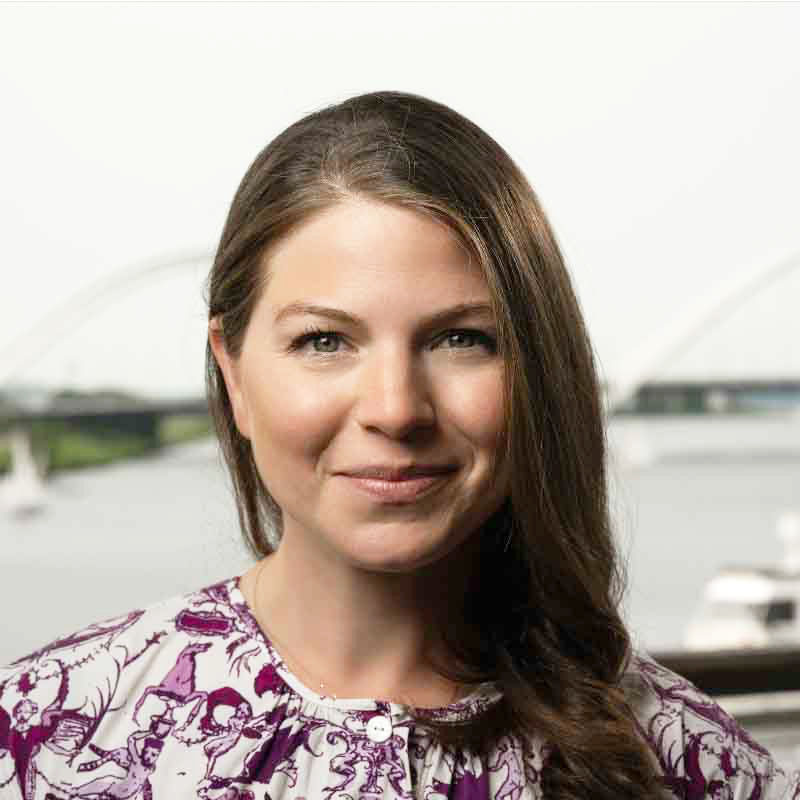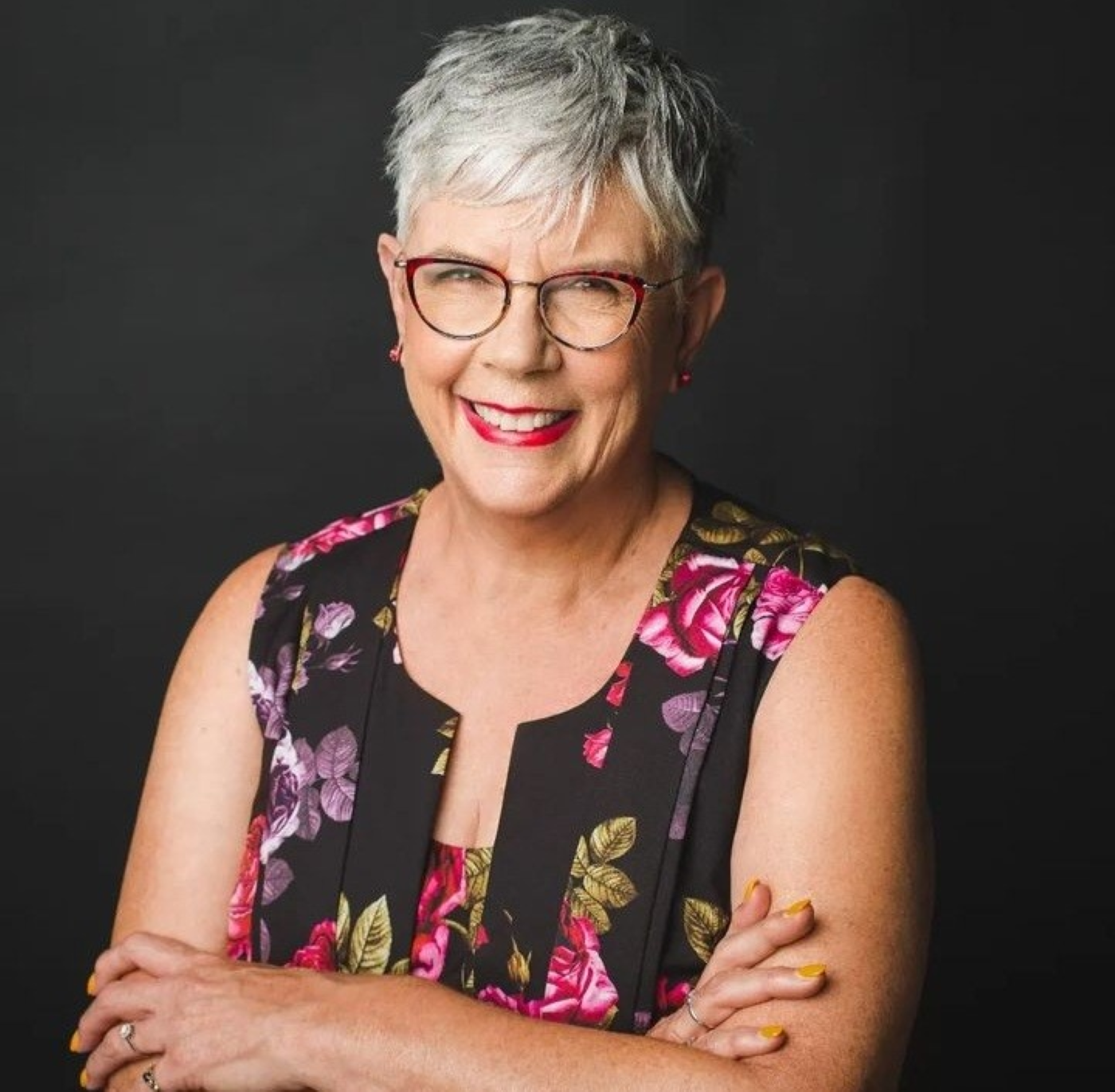


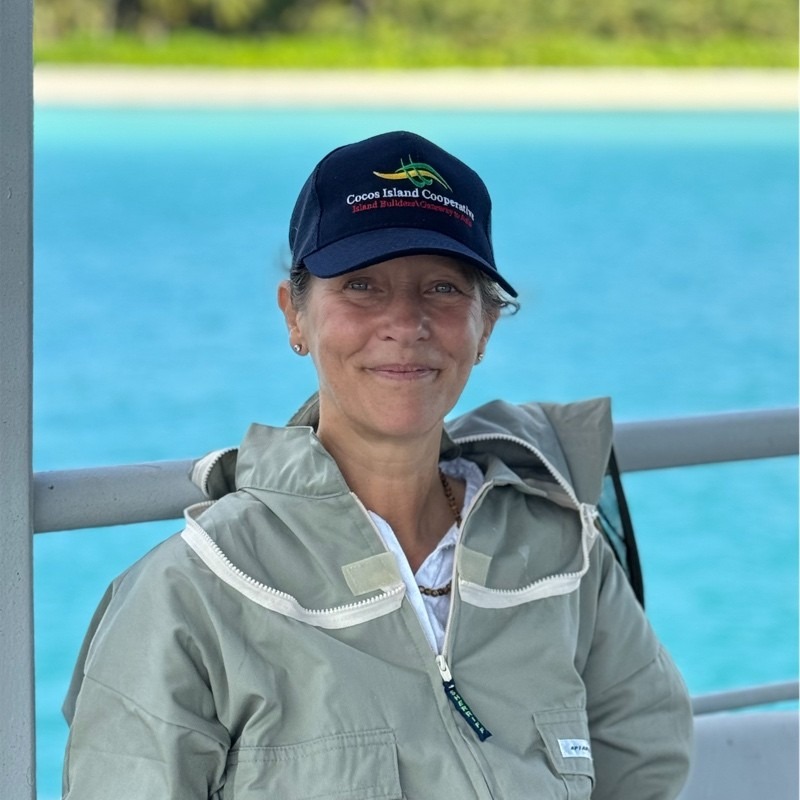
Paula Carnell is a spiritual beekeeper, healer, writer, and global advocate for restoring humanity’s sacred relationship with nature. Once an artist and later bedridden for seven years, she found her life’s purpose through bees—creatures that not only helped her heal but also guided her toward a mission much bigger than herself. Her journey from personal recovery to reviving ecosystems and empowering communities is exactly why Humans of Fuzia features her today, inspiring our 5M+ women who believe in the power of compassion, courage, and connection.
Q: Paula, could you tell us about your journey and how bees became such an important part of your life?
I spent 20 years as an artist before falling seriously ill at 40, which left me bedridden for seven years. During that time, my husband built me a beehive outside my window so I could watch the bees from my bed. A mentor helped me learn beekeeping, and I began noticing parallels between human ill health and bee ill health. What harms bees also harms humans. Through herbal medicine, plant-based minerals, and the presence of bees, I fully recovered from what was believed to be an incurable condition. That transformation led me to become a beekeeper and later a global bee consultant.
Q: Your work on Cocos Keeling Island is fascinating. How did that begin?
I had a vivid dream about this remote island in the Indian Ocean 35 years ago. Over time, life kept giving me signs until I finally visited in 2020. The island is home to a closed, majority Islamic community facing unemployment, inherited trauma, and cultural isolation. I went there hoping to empower women through beekeeping, and I did—but what unfolded was far deeper. I realized the land itself held trauma. I was called not just to teach beekeeping but to heal the land so the bees could return. From there, everything changed.
Q: What impact did your beekeeping work have on the island’s women and community?
The women there are incredibly strong, though often perceived otherwise due to cultural stereotypes. Beekeeping became a bridge—bringing together women who normally didn’t socialize, strengthening their sense of community, and giving them income and access to healing honey. But even more importantly, the bees are helping the community unite around protecting their homeland. The island is currently under threat due to government decisions around military runway expansion and claims of climate-related sinking. The bees are becoming a symbol of resilience and hope.
Q: You also discovered that the island’s bees are unique. Can you share more about that?
Yes. After sending samples to scientists in Poland, we learned the bees are a rare subspecies of African bee that may no longer exist in Morocco and Algeria. The population on Cocos Keeling could be the last isolated group in the world. They also possess natural hygienic traits that can help protect bees in Australia, which is currently battling the varroa mite. With pristine flora and untouched ecosystems, the island could produce medicinal honey of global significance. I’m now working to raise funds to continue scientific research and produce a documentary to tell this story to the world.
Q: What challenges have you faced while pursuing this work?
Going to the island meant giving up my biggest consultancy clients and my entire UK team. I went from running a multi–six-figure company to starting again from scratch—unpaid for the entire year I spent on the island. Rebuilding has been hard, but AI has helped me manage work that I previously outsourced. I’ve written a new book, “Spiritual Beekeeping,” transitioned to new platforms, and built an online school-based community. The biggest challenge now is funding—raising money for research, for the documentary, and for conservation efforts.
Q: How has technology supported your journey?
Living rurally in Somerset, technology is essential. AI tools help me plan, write, automate, and manage tasks I used to delegate. I have a global community and podcast because of tech. It allows me to reach people who care deeply about bees, healing, and the future of the planet.
Q: Any business or personal lessons you’ve learned through this work?
Time management, understanding tech, and navigating finances—those are everyday challenges. But a big lesson for me this year is learning to receive. Bees teach us that we cannot function alone; nature operates in community. I’ve learned I need to ask for help, accept help, and work collaboratively. Giving and receiving are both part of the same cycle.
Q: What final message would you like to share with our readers?
Dream—and dream consciously. The bees taught me that everything is vibration. To heal, we must feel. When you envision your future so vividly that you can feel it, the universe rearranges itself to make it real. I dreamt of being well, and I healed. I dreamt of Cocos, and I lived there. Believe in your purpose and feel it deeply. That is the key to a meaningful life.
Connect with Paula Carnell:
https://www.linkedin.com/in/paula-carnell-3016421/
Want to be featured?
If you’d like to be featured in the Humans of Fuzia series, email us at fuziatalent@fuzia.com.