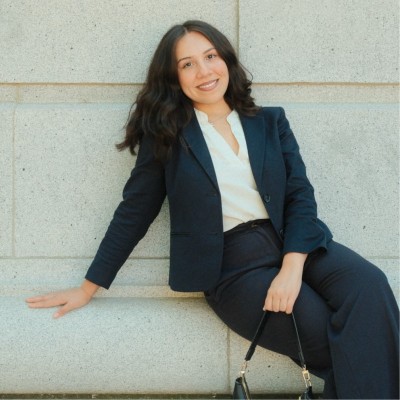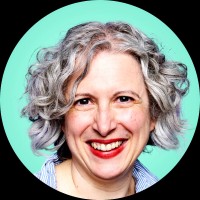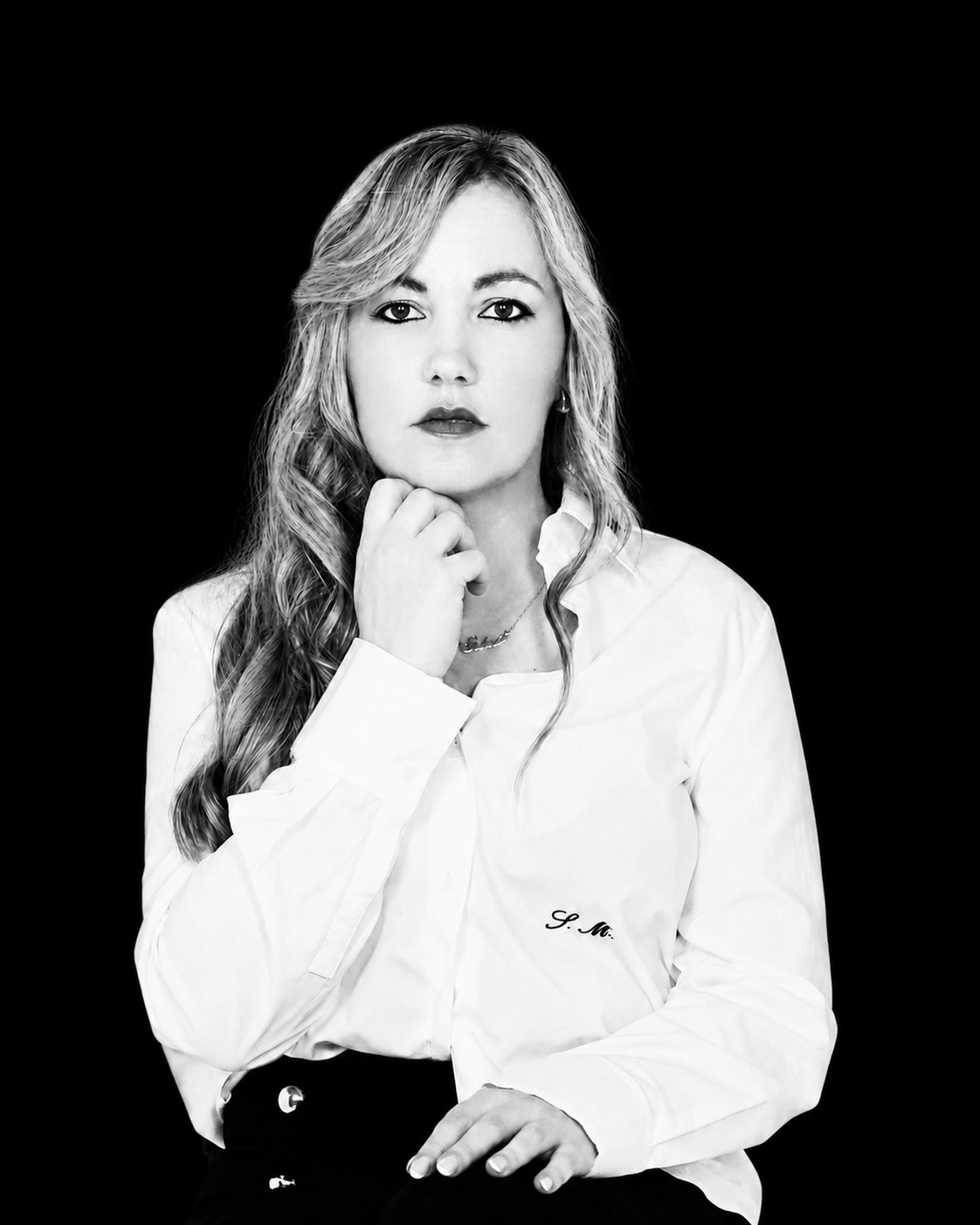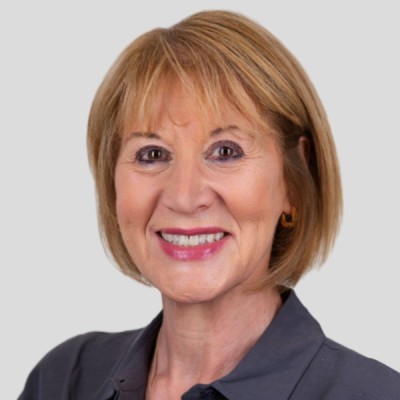


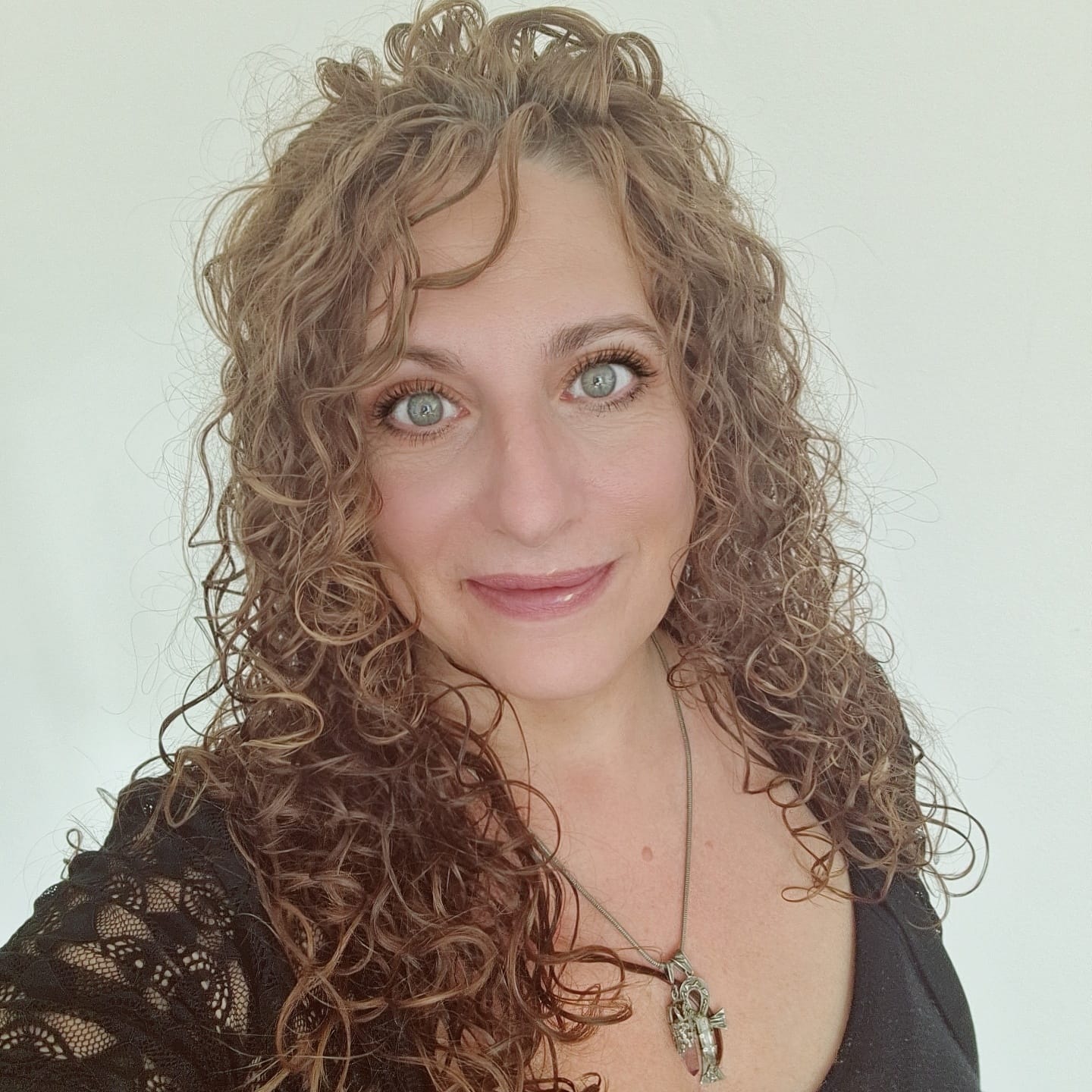
Michelle Ann is the founder of The Space Between, a holistic well-being initiative that supports artists and creatives through healing, mentorship, and compassionate guidance. With decades of experience in the arts—from ballet and music to record labels and artist management—Michelle has witnessed the emotional toll that creativity can bring when artists don’t have the support they deserve. Humans of Fuzia is featuring Michelle because her work reflects a powerful intersection of empathy, resilience, and purpose—one that echoes our community’s mission of empowering women, supporting each other’s dreams, and building spaces where He for She and She for She can thrive. Her story speaks to every woman in our 5-million-strong community striving to turn passion into a life path, even when the road is messy, nonlinear, or late-blooming.
Q: Michelle, can you tell us a bit about your journey and how The Space Between came to life?
A: I’m originally American but based in the UK, partly because I wanted to live here, and partly to build The Space Between. My background spans the arts—I grew up with dreams of ballet, but it wasn’t a viable career path for me. Music became my second love, but I struggled with crippling stage fright, and nobody ever offered real conversations or tools to help me deal with that.
I also came from a family that saw the arts as a hobby, not a career. So, like many creatives, I internalized pressure to “get a real job.” I worked in the corporate world, but I missed the arts deeply. Eventually, I began managing bands, then working with an industry veteran who mentored me, which led to roles with record labels.
Throughout this time, I naturally gravitated toward supporting artists as humans—not commodities. Later research confirmed what I had always sensed: creatives are wired differently, and we carry a predisposition to depression, anxiety, and other challenges. When suppressed, the consequences can be severe.
So The Space Between is simply what I wish I had—holistic support for artists and creatives as whole, feeling, vulnerable humans.
Q: What kind of support does The Space Between provide?
A: We offer mind, body, and spirit support through a wide range of modalities—everything from mental health practitioners and nutritionists to Reiki masters, kinesiologists, and homeopaths.
It begins with a discovery call with me, so I can understand what someone is going through and what support they’re comfortable with. Not everyone resonates with the same modalities, and I want to honour that.
We provide 1:1 support, and in the future, workshops and in-person retreats. Right now, it’s mostly virtual, which allows us to support creatives globally.
Q: Who is your primary audience?
A: I’m particularly passionate about young creatives, roughly ages 14 to 25, because I want to help them navigate challenges before they become crises. But we support artists of all ages and disciplines—musicians, dancers, visual artists, writers—as well as the people around them, like management teams. Everyone in the ecosystem needs support for the artist to thrive.
Q: What are your aspirations for the future of your work?
A: 2026 will be a big growth year. We’re already beginning to provide well-being support backstage at festivals, which is a huge goal because artists often suffer in silence.
I also want to build collaborations with other organizations offering arts education, well-being services, or creative development—especially for young people. The priority isn’t visibility for The Space Between, but making the biggest possible impact.
Q: You mentioned both business and industry challenges. What stands out to you?
A: Social media used to offer organic reach, and now we’re all at the mercy of algorithms—being seen at all is difficult.
My other concern is AI. There are already AI well-being practitioners and AI tools being used like therapists. I don’t find that ethical or safe. Only a human can speak to the human experience. The thought of replacing emotional labour with automation is deeply troubling.
As a business, differentiating ourselves in a saturated industry matters. The creative space is full of people who want to attach themselves to famous names. My work isn’t about that. It’s about mental health, dignity, and humanity. Establishing that distinction—and trust—takes time.
What message would you share with people who are struggling to pursue their dreams?
A: My journey has been nonlinear. I’m 58, launching a business built on work I’ve been doing for decades. I moved countries at 50 with nothing but a vague plan and a dream.
I also survived domestic violence and clawed my way out of a dark place. None of this happened easily. But I say this because I want people to know that no matter where you are, there is a way through.
It’s never too late. You’re never too old. Your dream is valid. Keep pursuing it. And don’t listen to people who tell you otherwise.
“As long as you’re breathing, keep pursuing your dream. There’s a way through – even if the path is messy, slow, or unlike anything you imagined.” —Michelle Ann
Want to be featured?
If you’d like to be featured in the Humans of Fuzia series, email us at fuziatalent@fuzia.com.