



A great product can start a company. But it takes leadership, the right talent, and scalable growth systems to build one that lasts.
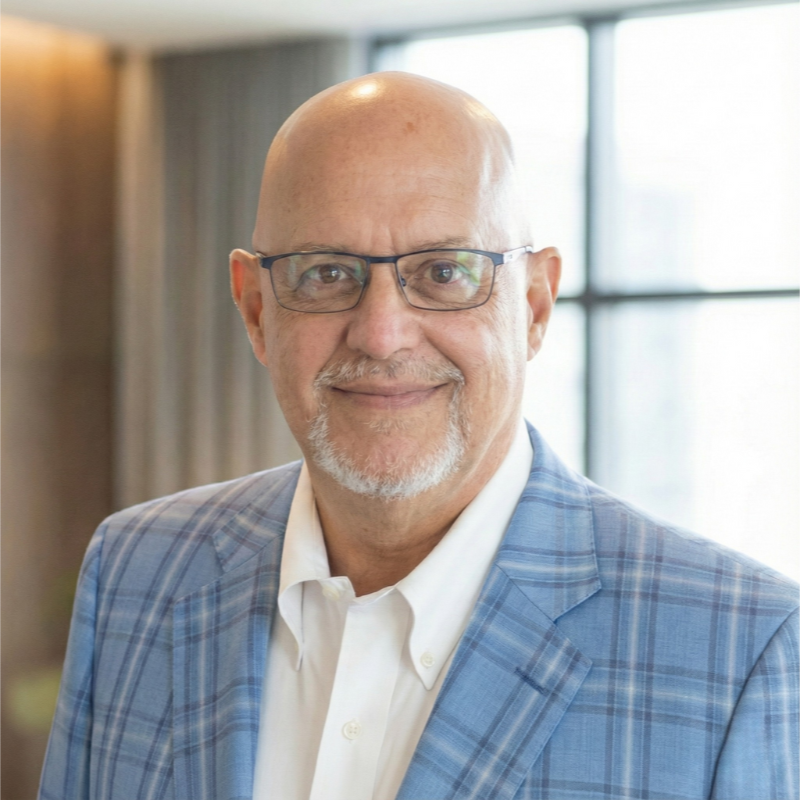
For Henning Schwinum, one of the biggest hidden challenges in entrepreneurship is that founders often assume being exceptional at their craft automatically makes them effective business leaders. “Just because you have a great idea and you are a phenomenal engineer that can build a great product doesn’t mean that you are a good business leader,” he explains.
Leadership Development: From Founder-Led to Scalable
Schwinum works with startups and scale-ups across sales, revenue, and business development, supporting companies from pre-revenue through approximately $100 million in revenue. His work focuses on critical transition points: moving beyond founder-led sales, elevating teams, transforming existing processes, and expanding into new markets.
The lesson is especially relevant in 2026, when growth can create as many complexities as opportunities. Team accountability, messaging clarity, client acquisition, and business systems become increasingly important as companies move from one growth stage to another.
Delegation Is a Leadership Skill
For Schwinum, sustainable entrepreneurship begins with accepting that founders cannot—and should not—do everything themselves.
“Delegation starts with understanding what your weak points are and then finding people that are really good at it and then letting them lead and not interfere with their work.”
That principle applies across coaching businesses, small businesses, and scaling teams: identify capability gaps, hire strategically, establish ownership, and give capable people the authority to execute.
Growth Systems and Building Authority
Schwinum’s own client acquisition strategy reflects the same systems thinking. His seven-year growth journey has combined partnerships, LinkedIn content, cold outreach, conferences, events, brand recognition, and visibility across AI-driven discovery platforms.
For entrepreneurs, this means moving beyond dependence on a single referral source. A scalable growth system can combine authority-building content, speaking opportunities, partnerships, clear ICP messaging, sales funnels, and consistent outreach.
Entrepreneurship Is Not a Solo Journey
Schwinum also highlights the emotional reality of entrepreneurship: the feeling that a founder must carry every burden alone. His solution is community.
“Every problem a founder faces today, others have faced before them.”
That perspective reinforces an important principle of socially conscious leadership: growth is not only about systems and revenue, but also about relationships, support, and shared learning.
Execution Tip
Identify one responsibility you are still holding that someone else could own. Document the expected outcome, give the right person decision-making authority, and resist the urge to micromanage.
Connect with Henning Schwinum
- LinkedIn: https://www.linkedin.com/in/henning-schwinum/
- Website: Vendux LLc.com
Henning’s message is ultimately simple: build the business beyond yourself. With stronger leadership development, growth systems, delegation, and community, entrepreneurship becomes less about carrying every problem alone—and more about building something capable of growing without you doing everything.