


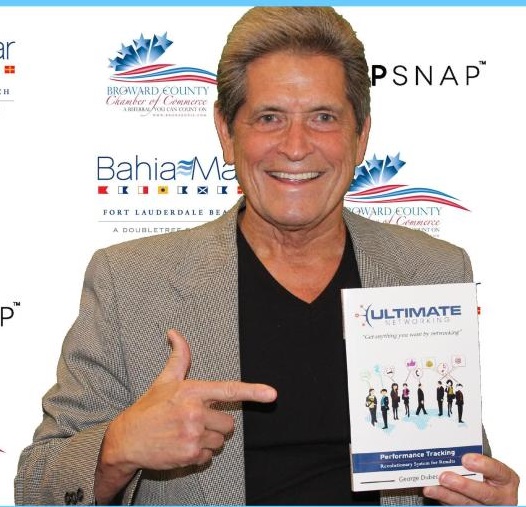
What happens when technology becomes faster than human beings can emotionally process it? For 80-year-old entrepreneur, author, speaker, and technology observer George Dubec, the answer is not simply greater efficiency—it may be the loss of something far more valuable: the human journey.
Through decades spanning engineering, technology, sales leadership, broadcasting, entrepreneurship, publishing, and public speaking, Dubec has watched society transform from party-line telephones to artificial intelligence. His perspective offers a powerful leadership lesson for 2026: progress without human connection can become its own form of failure.
That tension is exactly where Humans of Fuzia (HOF) creates value. As a global thought-leadership platform at the intersection of leadership, entrepreneurship, coaching, women empowerment, and socially conscious business, HOF explores how coaches, founders, and small-business entrepreneurs actually navigate growth, uncertainty, and change.
Leadership in an Age of AI and Business Growth
Dubec’s relationship with technology is complicated. Having evolved from a world with virtually no digital technology into today’s AI-powered economy, he sees both opportunity and risk.
“The whole essence of life is called the journey. Okay. It’s not about the finished product.”
That philosophy challenges the current obsession with speed. AI can help entrepreneurs create content, automate workflows, improve client acquisition, and build scalable growth systems. But leadership requires knowing what should not be automated.
For coaches, consultants, and entrepreneurs, that means protecting human conversation, creativity, trust, and relationships while using technology strategically.
Entrepreneurship, Social Impact and the Human Connection
Dubec’s concerns extend beyond business systems. He believes technology and modern lifestyles are contributing to isolation, even as communication becomes easier.
“You’ve got everybody in the world on your phone, practically. And still people are suffering from loneliness.”
For modern leaders, this creates a different definition of growth. Business growth cannot only mean more revenue, clients, followers, or visibility. Sustainable entrepreneurship also requires meaningful relationships, strong communities, ethical leadership, and a sense of purpose.
This is particularly relevant to women in leadership and socially conscious entrepreneurs building businesses around coaching, service, and impact. Authority is increasingly built not only through expertise, but through genuine connection.
Building Businesses That Can Scale Without Losing Purpose
Dubec currently hosts Tech Unfiltered, is writing about thriving in the high-tech AI world, promotes local events, and organizes AI education initiatives in South Florida.
His diverse career demonstrates another entrepreneurial principle: growth is rarely linear. Leadership development often comes through experimentation—speaking, writing, networking, building communities, and adapting to new industries.
For small-business leaders, practical growth systems can include:
- Clarifying the Ideal Client Profile (ICP)
- Building a focused message around a real problem
- Creating repeatable sales and client-acquisition funnels
- Using speaking opportunities to strengthen authority
- Delegating operational work as the business grows
- Developing scalable systems without removing the human element
The goal is not to reject technology. It is to make technology serve the business—and the people behind it.
Execution Tip
Audit one part of your business this week and ask: “Am I automating this because it improves the experience, or simply because it is faster?”
Keep automation where it creates efficiency. Protect the conversations, relationships, creativity, and experiences that create trust.
Connect with George Dubec
LinkedIn: https://www.linkedin.com/in/georgedubec/