


What if the biggest obstacle to business growth isn’t a lack of strategy, but a lack of clarity about the people expected to execute it?
In 2026, as businesses navigate growth complexity, employee engagement, and changing leadership expectations, one principle remains essential: people are not simply resources; they are the foundation of sustainable success.
Through its global thought-leadership platform, Humans of Fuzia (HOF) explores this intersection of leadership, entrepreneurship, coaching, women empowerment, and socially conscious business. By sharing real experiences from coaches, founders, and business leaders, HOF offers practical insights into building stronger teams and scaling businesses sustainably.
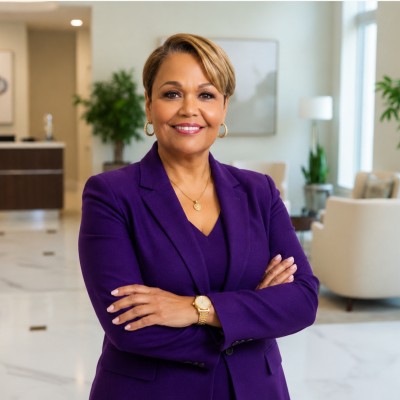
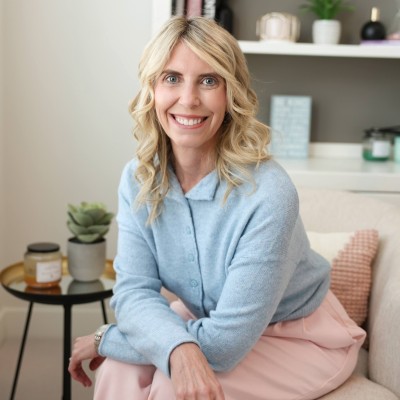
Patricia Bramer, founder of PeoplePro HR, brings this philosophy to life through her people-first approach to human resources and organizational leadership.
Patricia Bramer: Making People a Strategic Business Priority
Patricia’s career was shaped by a clear realization: organizations perform differently when they genuinely care about their people.
After experiencing workplaces where employees were treated primarily as a means of running the business, she recognized the need for a different approach—one that connects employee development with organizational success.
Reflecting on the evolution of HR, Patricia explains that it was once often viewed as an administrative function rather than a strategic business partner.
Her philosophy challenges that outdated mindset. As she puts it, “HR is a partner to be able to continue to help employees, but also help and play the role in the business operating and moving it forward.”
For Patricia, effective HR leadership means understanding financials, technology, business planning, and organizational priorities—not just employee policies.
Leadership Development Starts with Clarity
One of Patricia’s most important leadership insights concerns a common organizational blind spot: communication.
Leaders may believe they have explained their vision, yet employees can still struggle to understand what the company is trying to accomplish.
As Patricia observes, “We need that consistent message of what that means to our employees and helping employees feel part of the roadmap.”
For CEOs, entrepreneurs, and leadership coaches, this offers a practical lesson: communicating a vision once is not enough. Leaders must repeatedly connect business goals with team responsibilities and everyday decisions.
In 2026, this clarity becomes even more important as businesses scale, delegate responsibilities, and build accountable teams.
Building a Sustainable Business Through Focus
Starting her own HR practice brought Patricia excitement alongside uncertainty. Her first client came through an existing relationship, and word-of-mouth referrals gradually helped her build confidence and credibility.
Today, she supports organizations across technology, professional services, hospitality, aviation, and nonprofits. She is also focusing on startups and smaller organizations where her expertise can make an immediate impact.
Her experience highlights a valuable growth strategy: define an ideal client profile (ICP), build relationships within that market, and develop targeted outreach instead of relying exclusively on referrals.
Patricia also recognizes the importance of delegation. With contractors supporting marketing and specialized HR projects, she can focus on delivering expertise while building her brand and pursuing executive coaching certification.
For small business leaders, scalable growth systems mean combining clear messaging, consistent client acquisition, measurable KPIs, and the right support structure.
Execution Tip
Schedule a 15-minute team conversation tomorrow. Ask each person to explain the company’s top priority, how their work contributes to it, and which result will measure success. Any gaps reveal where leadership communication needs improvement.
Connect with Patricia Bramer
- LinkedIn: https://www.linkedin.com/in/patricia-bramer/
- Website: https://peopleprohr.com/