



What if the biggest obstacle to business growth isn’t your strategy, but the way you think?
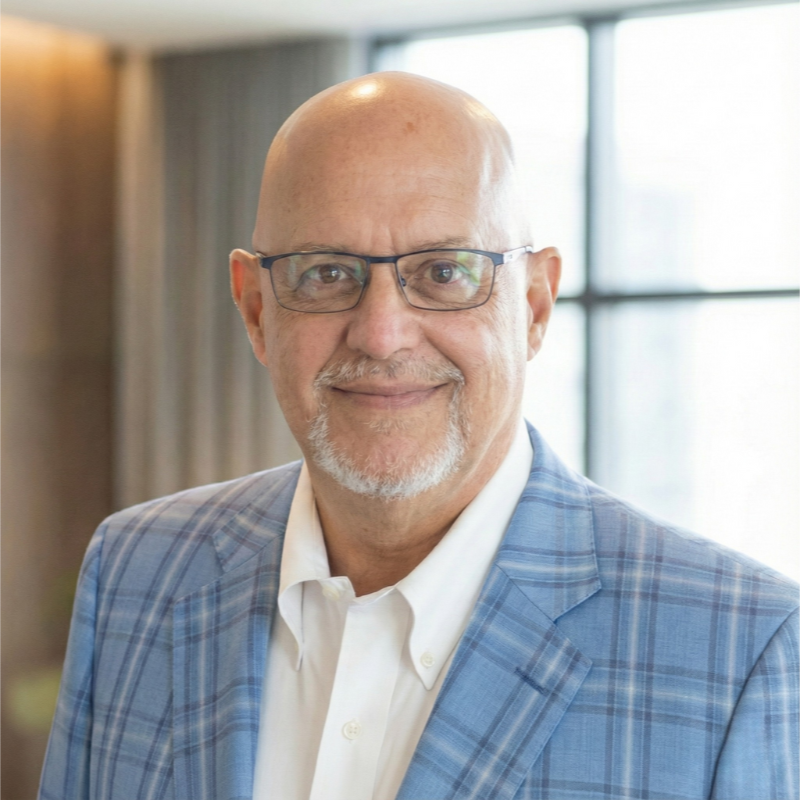
On November 13, 2002, sales trainer and author Steve Lentini experienced a medical emergency that changed his perspective on business, success, and life. His journey led him away from rigid sales techniques toward a philosophy that challenges leaders to replace pressure with curiosity, judgment with understanding, and external validation with purpose.
In this Humans of Fuzia (HOF) leadership feature, Lentini shares insights relevant to coaches, entrepreneurs, and business leaders navigating growth in 2026. As a global thought-leadership platform at the intersection of entrepreneurship, coaching, women empowerment, and socially conscious business, HOF explores the human experiences behind sustainable success.
Steve Lentini: From Traditional Sales to Purpose-Driven Leadership
Lentini’s defining moment came while he was delivering sales training. Years later, he reflected on how his near-death experience reshaped his priorities. During his recovery, former clients sent financial support and job offers, reminding him of the lasting value of relationships.
His experience reinforced a powerful principle: success is not simply measured by revenue, titles, or professional recognition, but by the lives we influence.
That philosophy also transformed his approach to selling. Rather than relying on scripted responses and persuasion tactics, he advocates understanding what prospective clients genuinely need.
As Lentini puts it, “stop selling, start seeing.”
For coaches and entrepreneurs, this means listening before pitching, clarifying the client’s challenges, and recognizing when a solution is—or is not—the right fit.
Leadership Coaching and Business Growth Systems in 2026
Today’s business leaders face interconnected challenges: client acquisition, unclear messaging, team accountability, and the complexity of scaling operations. Coaches and small-business owners must build repeatable growth systems without losing the human connection that makes their work valuable.
Lentini’s philosophy offers a practical starting point: challenge assumptions instead of allowing fear to dictate decisions.
Leaders can apply this approach by:
- Clarifying their ideal client profile (ICP): Identify the people they can genuinely help and understand their most pressing problems.
- Improving messaging and sales funnels: Focus communication on client outcomes rather than aggressive selling.
- Building authority: Use speaking opportunities, interviews, and professional networking to develop trust and share expertise.
- Strengthening leadership systems: Delegate responsibilities, develop team accountability, and create repeatable processes that support sustainable growth.
These practices connect personal leadership development with scalable execution. Growth systems become more effective when they reflect genuine client needs and a clear business purpose.
Socially Conscious Leadership: Finding Value Beyond Success
Lentini’s work also explores the relationship between spirituality, gratitude, and professional life. He encourages people to question their thoughts rather than automatically treating them as facts.
His message is particularly relevant to entrepreneurs facing uncertainty: a missed opportunity does not always mean failure. Sometimes it creates space for preparation, a better direction, or an unexpected possibility.
His guiding reminder is simple: “We live in a miracle.”
For leaders, this perspective can encourage resilience, thoughtful decision-making, and a healthier relationship with ambition.
Execution Tip
Before your next sales conversation, spend five minutes identifying the prospect’s biggest challenge, the outcome they want, and whether your offer genuinely fits. Ask questions before presenting your solution. If you are not the right fit, recommend a more suitable alternative.
Connect with Steve Lentini
- Website: https://stevelentini.com/
- LinkedIn: https://www.linkedin.com/in/stevelentini/