


Healthcare leadership is ultimately about more than improving systems. It is about improving the people, professionals, and communities those systems are designed to serve.
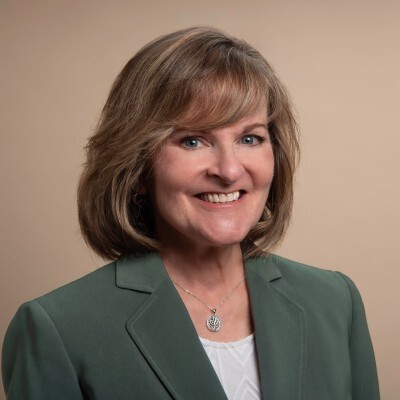
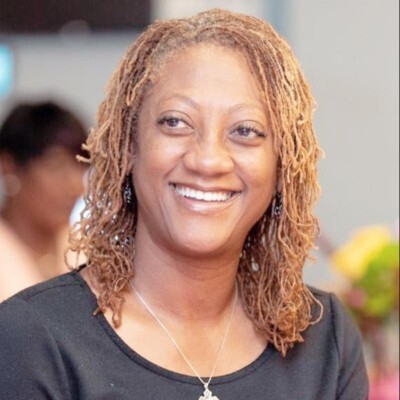
That distinction sits at the heart of the work of Stephanie Thomas, whose career brings together healthcare leadership, public health, consulting, and education. Her approach reflects a broader leadership lesson for 2026: sustainable impact requires organizations to think beyond short-term fixes and build systems that create lasting human value.
At Humans of Fuzia (HOF), a global thought-leadership platform at the intersection of leadership, entrepreneurship, coaching, women empowerment, and socially conscious business, these stories matter because coaches, consultants, founders, and small-business leaders increasingly face the same challenge: expertise alone is not enough. Growth requires clarity, credible positioning, strong systems, and leadership that can scale.
From Healthcare Leadership to Human-Centred Impact
Thomas brings years of practical healthcare leadership experience into her consulting and educational work. That experience gives her perspective beyond that of a conventional contractor—one grounded in understanding how organizations, professionals, and communities actually operate.
Her work points toward an important shift in socially conscious leadership: better systems should ultimately produce better human outcomes.
For entrepreneurs and coaches, the principle is transferable. Business growth systems should not simply create more leads or revenue; they should make it possible to deliver stronger outcomes consistently.
The 2026 Leadership Challenge: Growth Without Losing Purpose
As businesses grow, complexity grows with them. Team accountability, unclear messaging, inconsistent client acquisition, weak business systems, and leadership bottlenecks can prevent experienced professionals from scaling effectively.
The solution is not necessarily to work harder.
Leaders can strengthen growth by defining their Ideal Client Profile (ICP), sharpening their messaging, creating repeatable sales funnels, developing capable teams, and building scalable delivery systems. Speaking opportunities, thought leadership, and strategic visibility can further convert expertise into authority.
For coaches and consultants, this means moving from being the person who does everything to becoming the leader who builds systems that allow expertise to travel further.
Execution Tip
Audit one business process tomorrow. Choose client acquisition, messaging, delegation, or delivery. Identify one repetitive task that depends entirely on you and document how it could become a repeatable system or delegated responsibility.
Small systems create scalable leadership.