



In a world where artificial intelligence can generate answers instantly, the real leadership advantage may be learning how to think better.
As organizations navigate rapid technological change, leaders face a growing challenge: transforming how people think, work, and collaborate without losing sight of what makes us human. At Humans of Fuzia (HOF), a global thought-leadership platform exploring leadership, entrepreneurship, coaching, women empowerment, and social impact, these conversations reveal what sustainable growth looks like in practice.
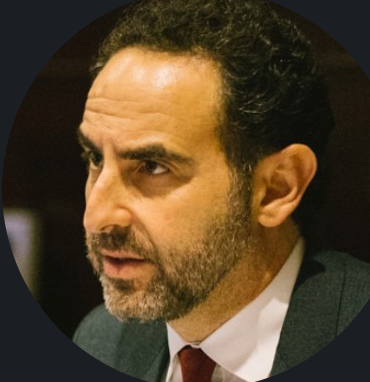
Dr. David Rock, co-founder of the NeuroLeadership Institute (NLI), has spent decades connecting neuroscience with leadership development. His work offers a compelling perspective on organizational culture, behavioral change, and the future of human potential.
NeuroLeadership: Understanding the Science Behind Better Leadership
Rock’s journey began with curiosity. At around 15, he became fascinated by the brain and how the mind works. Although he did not initially know where that interest would lead, his experience in leadership development eventually revealed a significant gap: leadership practices and neuroscience were rarely connected.
In 2006, he recognized the need for a neuroscience-based understanding of leadership. A year later, he organized the first Global NeuroLeadership Summit, helping establish a field that examines how brain science can inform leadership and workplace behavior.
The underlying insight was simple: leadership involves thinking and influencing how others think. Understanding the biological processes behind these behaviors could make leadership development more effective.
Business Growth Systems: Turning Leadership Ideas Into Lasting Habits
For Rock, meaningful organizational change requires more than introducing a leadership model or conducting a training session. Organizations must translate ideas into everyday behaviors.
NLI has helped approximately 20 million people build better workplace habits over the past decade, according to Rock, working with around two-thirds of Fortune 100 companies.
Its approach focuses on embedding practices such as growth mindset, psychological safety, and accountability into organizational culture. This becomes particularly relevant as businesses adopt AI and need employees to develop new capabilities while adapting established work habits.
Rock emphasizes that relationships and reliability are fundamental to business growth. Reflecting on the institute’s expansion, he explained:
“The trust you build with people is everything.”
For entrepreneurs and coaches, this principle extends beyond large corporations. Delivering on commitments, communicating clearly, and consistently meeting expectations can turn individual client relationships into long-term partnerships and referrals.
AI, Human Potential and the Leadership Challenge of 2026
Rock identifies another pressing challenge facing organizations: maintaining focus amid an overwhelming number of opportunities and technological tools.
“The main thing is to keep the main thing the main thing.”
His forthcoming book, Good With Humans: The Neuroscience of What Makes Us Tick and What Ticks Us Off, explores patterns in human behavior. He also discussed NILES, an AI-powered thinking partner designed to strengthen users’ thinking rather than simply generate answers for them.
This distinction matters for leadership coaching and business growth. AI adoption should improve human judgment, learning, and execution, not encourage people to outsource every thought.
For founders, practical priorities include identifying the behaviors that matter most, establishing clear accountability, and using technology to support deliberate learning rather than constant distraction.
Execution Tip
Choose one leadership behavior you want your team to improve, such as asking better questions or giving clearer feedback. Define what that behavior looks like in a real workplace situation, practice it during your next team interaction, and review what changed.
Conclusion: Curiosity as a Foundation for Leadership
Rock’s journey demonstrates how sustained curiosity can evolve into meaningful work with global impact. His insights reinforce a vital lesson for leaders: sustainable growth depends on building better habits, earning trust, and keeping human development central to technological progress.
Through conversations with experts such as Dr. David Rock, Humans of Fuzia continues to connect leadership coaching, entrepreneurship, women empowerment, and socially conscious business with practical lessons for building stronger organizations and more effective leaders.