



In leadership, isolation is rarely discussed—but it’s one of the most common realities leaders quietly face.
For many principals, superintendents, and education administrators, the responsibility of shaping institutions and influencing future generations often comes with a surprising side effect: no safe space to think, reflect, or seek guidance.
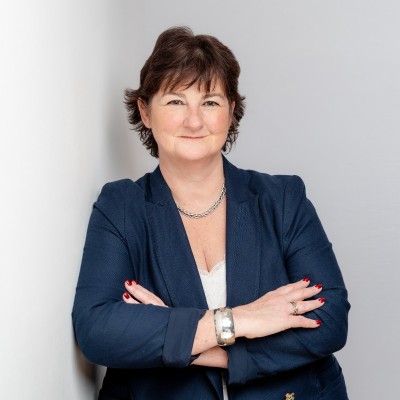
That leadership gap is precisely what inspired Volora Hanzlicek to build a coaching practice dedicated to supporting educational leaders.
Through the Humans of Fuzia platform—an international thought-leadership community spotlighting entrepreneurs, coaches, and socially conscious leaders—Volora’s story reveals an important truth about modern leadership: the most impactful businesses often begin with a deeply personal insight into a systemic problem.
Humans of Fuzia: A Global Platform for Leadership, Coaching & Women Empowerment
Humans of Fuzia (HOF) has evolved into a powerful global storytelling platform highlighting the journeys of entrepreneurs, coaches, and leaders building meaningful impact-driven businesses.
Part of the larger Fuzia ecosystem, which connects 5.4+ million women across 35 countries, the platform focuses on real founder journeys—unfiltered conversations about leadership, growth systems, challenges, and entrepreneurship.
By documenting honest entrepreneurial stories, Humans of Fuzia offers insights particularly valuable for coaches, small business founders, and women leaders navigating growth in today’s evolving business landscape.
From 36 Years in Education to Leadership Coaching
After spending 36 years in public education, Volora noticed a pattern few people were talking about.
Leaders in education—especially women—were navigating complex roles without adequate support systems.
“Leadership in education is very isolated,” Volora explains. “It’s important for leaders to have a space where they can reflect, network, and work through both personal and professional challenges.”
Three years before retirement, she took a leap. While transitioning into part-time work, she launched her coaching business to support educational leaders—particularly principals and superintendents—who were early in their leadership journey.
Her coaching model blends structured coaching with mentorship, a balance she explains in a uniquely practical way.
“Sometimes I literally tell them, ‘I’m putting my coaching hat on,’” she says. “Then I take that hat off and say, ‘Now I’m mentoring.’ And then we go back into coaching where I’m simply their thinking partner.”
This dual approach allows leaders to both develop their own solutions and benefit from decades of real-world leadership experience.
Entrepreneurship Lessons: Relationships Still Drive Growth
Unlike many modern coaching businesses built through aggressive digital funnels, Volora’s growth has been powered by something far more traditional—and powerful.
Relationships.
“A lot of my business comes through relationship building,” she says. After decades working across Kansas and neighboring states, her network within the education community became the foundation of her business growth.
Word-of-mouth referrals, trust, and reputation remain central to her client acquisition strategy—although she has recently begun expanding visibility through LinkedIn and digital platforms.
This hybrid model highlights a key insight for entrepreneurs in 2026: authority and relationships still outperform purely algorithm-driven marketing.
The Real Challenge: Access to Coaching
Despite strong demand, Volora identifies a structural challenge affecting leadership development in education.
“Leads are huge—but funding is the challenge. Schools often struggle financially, and professional learning sometimes falls lower on the priority list.”
This reveals a broader reality many coaches and service-based entrepreneurs face: the gap between demand and institutional budgets.
For coaches serving institutional clients, communicating the measurable impact of coaching is becoming increasingly critical to secure investment.
Leadership Insight: Why Delegation Unlocks Better Results
Another powerful leadership lesson from Volora’s journey centers around delegation.
Early in her administrative career, she admits letting go of control was difficult.
“Sometimes we get in our own way when it comes to delegating,” she says.
But over time, she discovered something transformative.
“If you take the time up front to collaborate and allow autonomy, different lenses come to the challenge—and the final outcome is often more powerful.”
For founders and leaders scaling businesses, this insight is crucial: true leadership growth requires releasing control to unlock collective intelligence.
Execution Tip
Clarify your Ideal Client Profile today.
Volora’s business became more effective when she focused specifically on educational leaders early in their leadership journey.
For coaches and entrepreneurs, narrowing your Ideal Client Profile (ICP) can immediately improve:
- Messaging clarity
- Client acquisition
- Referral quality
- Authority positioning
A simple step: write down the exact role, stage, and challenges of your ideal client—and ensure all messaging reflects that focus.
The Power of Honest Entrepreneurship
When asked what being an honest entrepreneur means to her, Volora’s answer was immediate.
“I don’t think there’s any other way to be. Honesty and transparency are critical—especially when our work impacts the success of children and our future.”
In an era increasingly driven by growth hacks and performance metrics, her perspective offers a grounding reminder: sustainable leadership is built on trust, transparency, and human impact.
Through stories like Volora’s, Humans of Fuzia continues to spotlight leaders whose work blends entrepreneurship with purpose—helping other founders, coaches, and professionals learn from real-world journeys rather than polished success narratives.
Connect with Volora Hanzlicek
LinkedIn: Dr. Volora Hanzlicek | LinkedIn
Humans of Fuzia remains a growing global platform where leadership, entrepreneurship, coaching, and women empowerment intersect—sharing insights from founders who are building not just businesses, but meaningful impact.