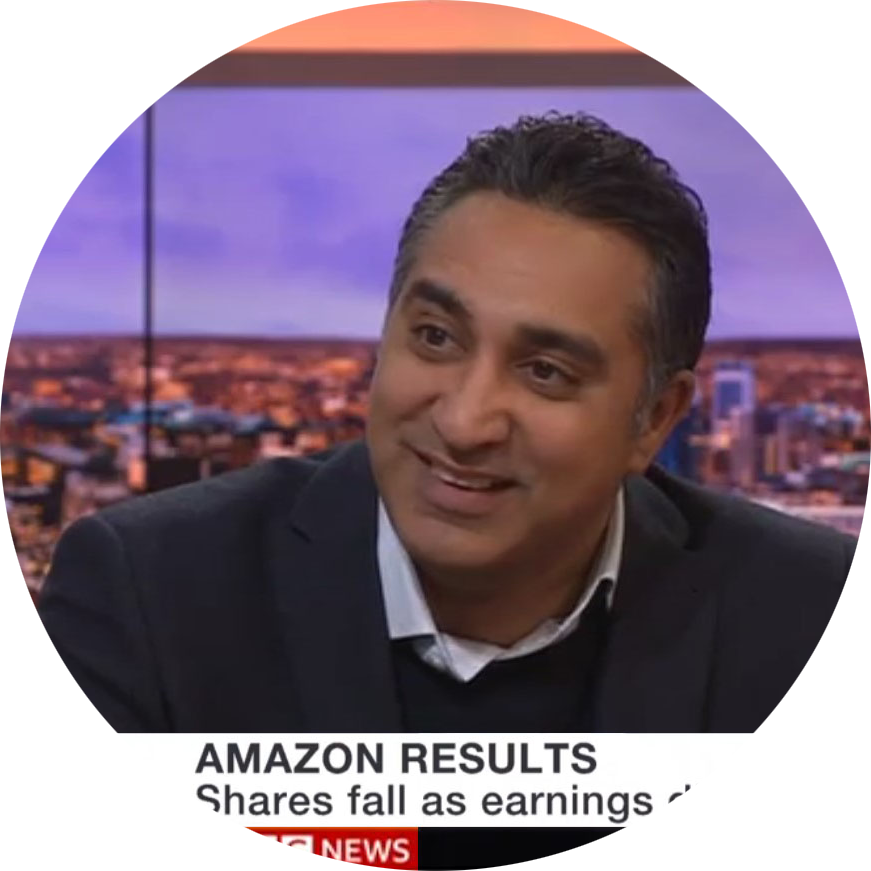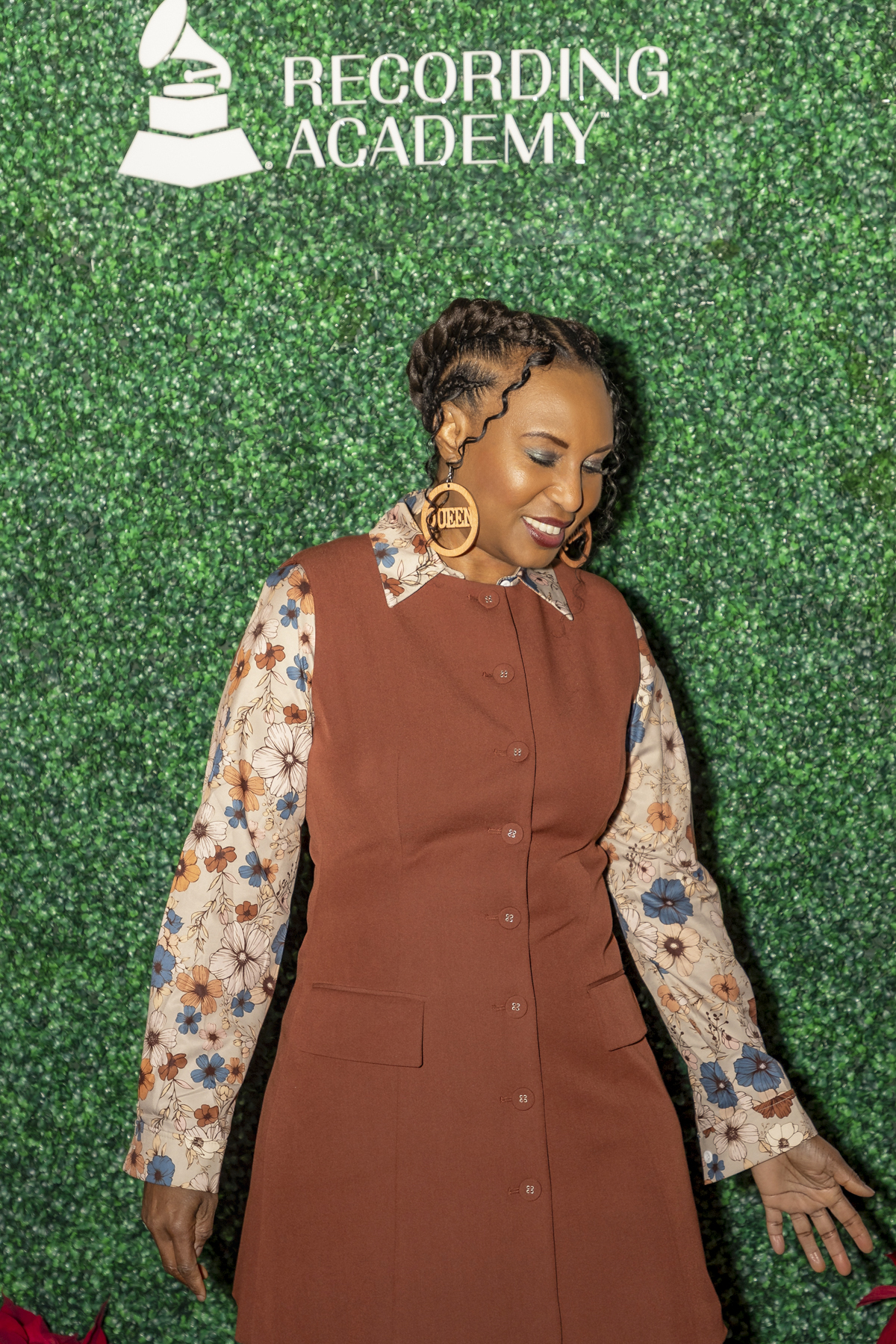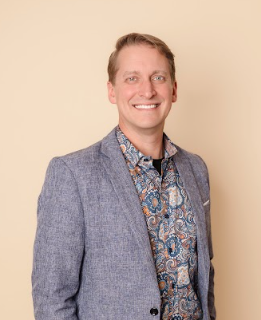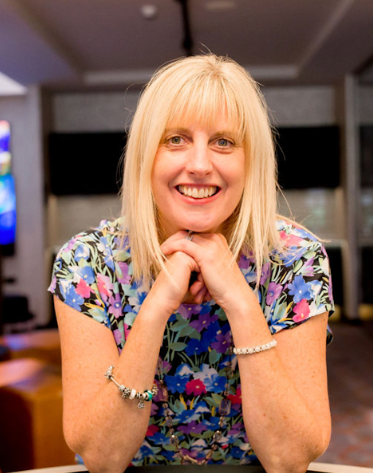


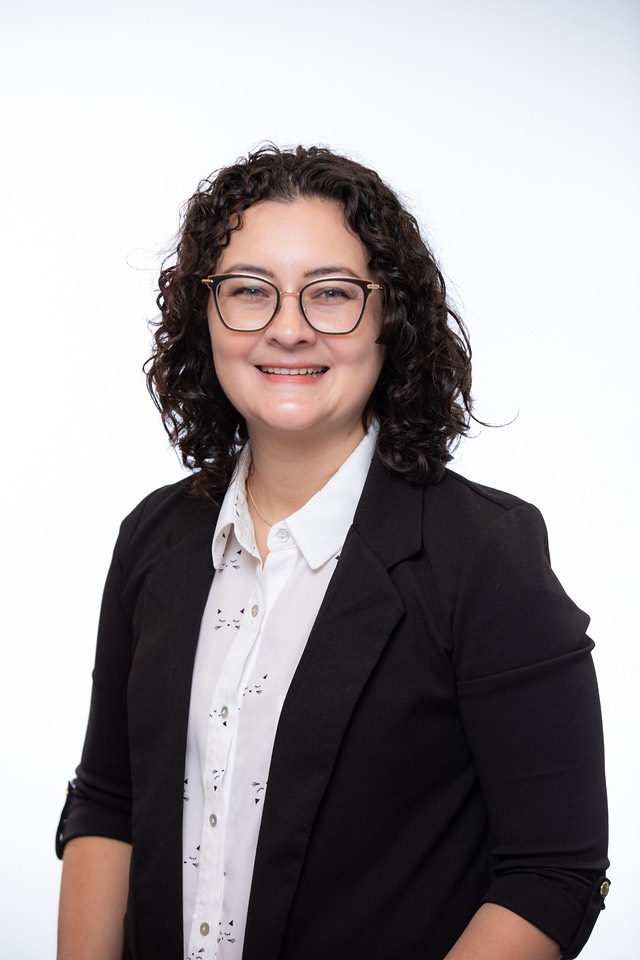
Laura Combs is a nonprofit consultant, project manager, and restorative justice practitioner who has spent years working at the intersection of impact, leadership, and people-centered systems. Through her work with mission-based organizations, Laura helps teams communicate better, bridge gaps between staff and leadership, and create workplaces where everyone feels heard. Humans of Fuzia is proud to feature Laura’s journey because her story speaks deeply to our global community of women and allies who are building meaningful change through empathy, inclusion, and courage.
What inspired you to start your own consulting business, Combs Consulting & Co.?
I’ve worked in nonprofits for a long time, and one gap I consistently noticed was between staff working on the ground and leadership at the C-suite level. Both groups cared deeply about the same mission, but they often struggled to communicate because they spoke about it in very different ways. I realized there was space for middle-management training that could help translate those conversations. Combined with my background in project management, bringing people together to identify problems and solve them felt like a natural next step.
Who do you primarily work with today?
My focus is on mission-based organizations—nonprofits, social impact organizations, B Corps, and social impact arms of larger companies. My values are closely tied to purpose-driven work, so it’s important for me to collaborate with organizations that are committed to creating real impact.
What makes your approach unique when working with clients?
I’m trained in restorative justice practices, which I bring into my work. Many people think restorative justice only applies after harm has happened, but it can also be proactive. It’s really about creating space for meaningful conversations. Instead of top-down decision-making, everyone in the room is asked the same questions and given the opportunity to share their story. That shift alone can change how teams move forward together.
Have you experienced imposter syndrome in your journey?
Absolutely. I’m a first-generation college student, and that feeling of not fully knowing what I was doing started early and followed me throughout my career. Even now—with experience, certifications, and leadership roles—I still face it. I’m a woman, a woman of color, and I work in spaces that are often white, male, and tech-focused. Something someone told me recently really stuck: “You’re the expert now.” Being an expert doesn’t mean knowing everything—it means knowing how to find the answers.
Is there anything you wish you had done differently when starting out?
I wish I had started earlier. This idea lived in my head for five or six years before I acted on it. Imposter syndrome convinced me I needed to know everything first. Looking back, I realize that learning happens along the way, not before you begin.
What challenges have you faced while working in this space?
Some challenges have been outside my control, like federal budget changes and funding shifts. One thing I’ve learned is the importance of partnerships. I don’t do grant writing or finance, but partnering earlier with consultants who specialize in those areas could have helped navigate some of those challenges.
How do you personally define success?
For me, success is fulfillment. I’m very mission-focused, so knowing that I’m making a difference and giving back to the communities that have supported me matters more than anything else.
What kind of legacy do you hope to leave through your work?
I want people to feel that they had space, opportunity, and support to grow. Professional development and growth—both personal and professional—are deeply important to me. If people feel empowered after working with me, that’s the legacy I want to leave.
What advice would you give to aspiring entrepreneurs?
Build your community. Even if you’re a solo entrepreneur, you can’t afford to work in isolation. Relationships matter. Knowing who to collaborate with, who to refer to, and who can refer back to you makes all the difference. Entrepreneurship is never truly a solo journey.
“You don’t have to know everything to begin—you just have to be willing to learn, grow, and trust that you are capable.”
Connect with Laura Combs:
- Company LinkedIn: www.LinkedIn.com/company/combs-consulting-co/
- Personal LinkedIn : www.LinkedIn.com/in/lauracombs/
- Email: laura@combsconsultingco.com
Want to be featured?
If you’d like to be featured in the Humans of Fuzia series, email us at fuziatalent@fuzia.com.