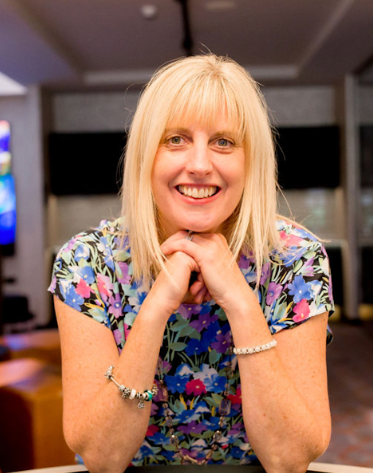



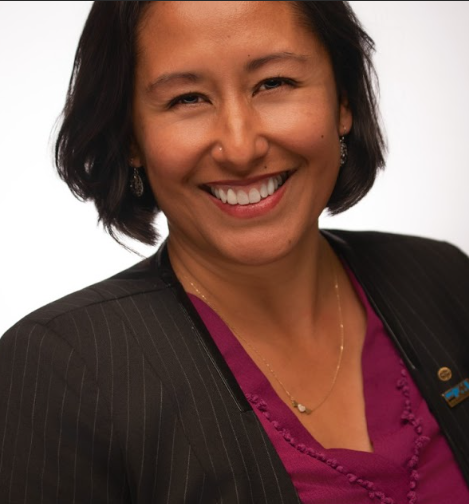
Jahzeel Ormeno is a seasoned business leader, lean practitioner, and project management expert who turned a pivotal career transition into a purpose-driven entrepreneurial journey. After years in corporate America, Jahzeel chose to step into uncertainty with courage—channeling her experience into helping service-focused organizations create clarity, structure, and momentum. Humans of Fuzia is proud to feature Jahzeel because her story reflects resilience, conscious leadership, and community impact—values that deeply resonate with our 5 million-strong global community working together through She for She and He for She to uplift women, leaders, and changemakers worldwide.
What inspired you to start your entrepreneurial journey?
Losing my job became a pivotal moment for me. After spending over two decades in corporate America, I realized I was tired of the rigor that created a lot of noise but didn’t always add value. As a woman and a mother, I wanted something different.
I found myself naturally helping people—friends, leaders in my community—think through problems, simplify complexity, and gain clarity. Instead of going back into a corporate role, I decided to serve leaders directly. Whether they were launching something new, scaling operations, or simply feeling stuck, I wanted to help them align, focus, and move forward together. That desire to see my community thrive is what pushed me to start this very scary—but meaningful—journey.
What were some of the early challenges you faced after leaving the corporate world?
The biggest shift was realizing that, as an entrepreneur, you do everything yourself. In corporate life, you have teams—analysts, specialists, support systems. As a business owner, you suddenly wear all the hats.
It takes resilience to be comfortable with the unknown and discipline to recognize your gaps. Sometimes that means learning a new skill; other times it means asking for help. Entrepreneurship forces you to build structure into your day so you don’t get overwhelmed. That balance between flexibility and discipline has been a huge learning curve for me.
Who do you primarily serve through your work today?
I work mainly with small to mid-sized, service-based organizations—businesses that don’t have access to big consulting firms but still need strategic support. This includes insurance agencies, law firms, small medical practices, hospitality businesses, and mission-driven entrepreneurs.
As a lean practitioner and project manager, I help these leaders improve processes, create alignment, and build systems that actually work for their size and stage. They deserve support that’s practical, accessible, and tailored to their reality.
What kind of impact do you see when clients work with you?
My focus is always on education and trust first—never a cookie-cutter approach. The biggest transformation I see is leaders moving from constant firefighting to intentional transformation.
They go from feeling overwhelmed to having a clear plan. My goal is to equip them with skills so they can eventually run their operations confidently without relying on me. When strategy aligns with structure, leaders gain confidence, clarity, and momentum—and that’s incredibly rewarding to witness.
Imposter syndrome is a common topic among entrepreneurs. Have you experienced it?
Absolutely—especially among women. There’s often this pressure to have all the answers, and that can be paralyzing. What I’ve learned is that leadership isn’t about knowing everything; it’s about helping people think through problems.
I once worked with a client who wanted me to simply tell him what to do. Instead, I asked questions. By the end of the conversation, he had developed the solution himself. Even though I felt like I “did nothing,” he found it incredibly valuable. That moment reminded me that impact doesn’t always look loud—it often looks like quiet clarity.
Is there anything you would have done differently when starting out?
My journey into entrepreneurship wasn’t planned—I was pushed into it. And when that happens, the first instinct is panic. What I’ve learned is to pause, observe, and ask for help.
If someone is choosing entrepreneurship willingly, I’d encourage them to reflect deeply on how they create value and why someone would want to work with them. Making a living comes later. Value, trust, and meaningful connection come first—and those are what sustain a business long-term.
How do you define success today, personally and professionally?
I no longer separate my work life from my personal life. My job doesn’t define who I am—it’s part of the life I want to lead.
Success means being of service to my community, being a role model for my children, and showing them that it’s okay to struggle and still move forward. It’s about contribution, kindness, and impact—not titles, money, or status. If I can help people, support businesses, and raise grounded, compassionate kids, that’s success to me.
What challenges should aspiring entrepreneurs be prepared for?
Mental blocks are real—self-doubt, fear, and lack of confidence can hold you back more than external competition. Building self-assurance takes intentional work.
There are also practical challenges—understanding the market, clarifying your value proposition, managing finances, and accepting that success doesn’t happen overnight. Discipline has been key for me: structuring my days, learning continuously, and also stepping away to enjoy life with my family.
Some of my best ideas come from conversations with my children. Their perspective reminds me that things don’t have to be complex—simplicity is powerful.
What are you currently working on that excites you?
I’m currently helping a client implement a new management system to improve productivity and scalability. We’re focusing on delivering work on time and on budget while removing inefficiencies from their processes.
Beyond systems, I’m passionate about creating environments where teams feel confident asking questions and contributing ideas. When people feel safe, aligned, and empowered, real transformation happens.
“Success isn’t about position or money—it’s about how you show up, who you help, and the impact you leave behind.”
Connect with Jahzeel Ormeno:
https://www.linkedin.com/in/jahzeel-ormeno/
https://www.simplexitypm.com/
Want to be featured?
If you’d like to be featured in the Humans of Fuzia series, email us at fuziatalent@fuzia.com