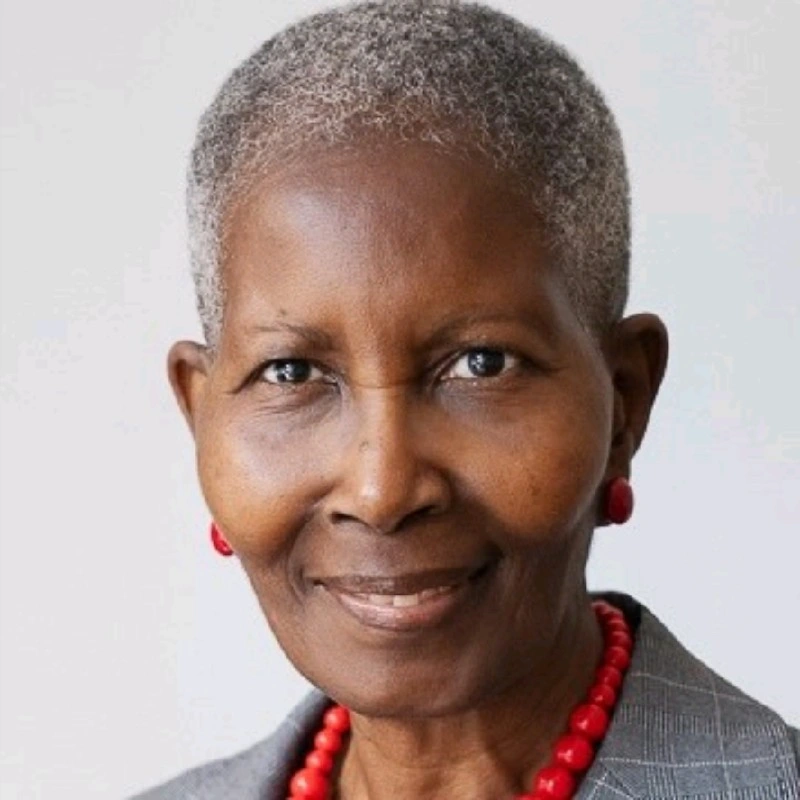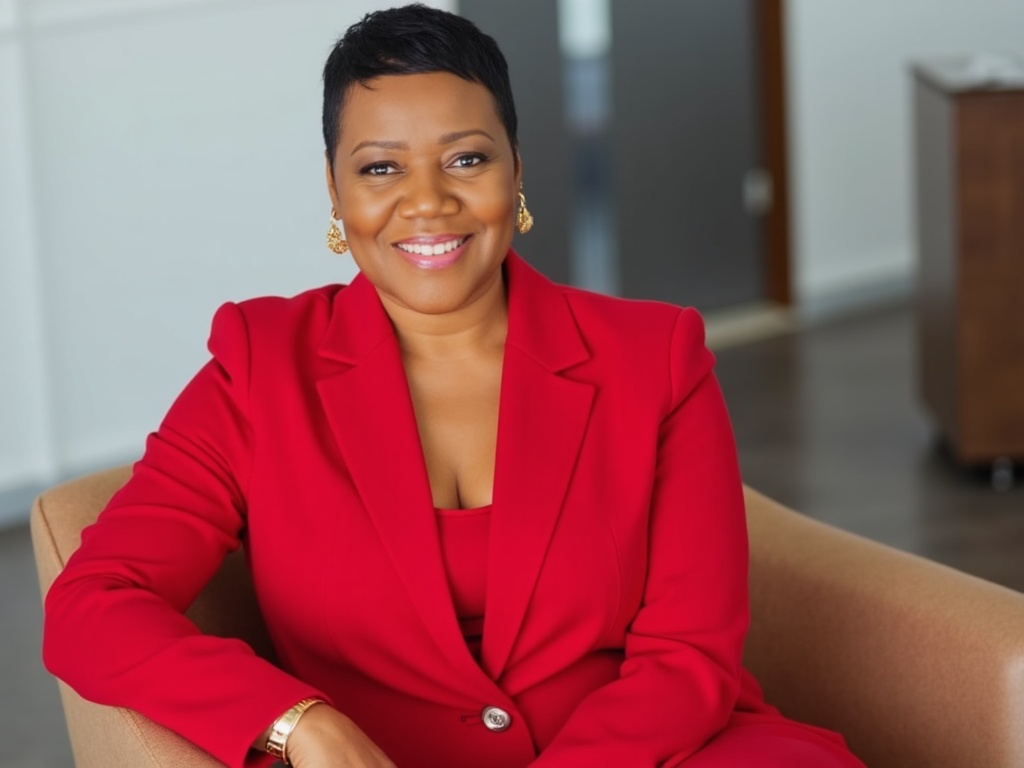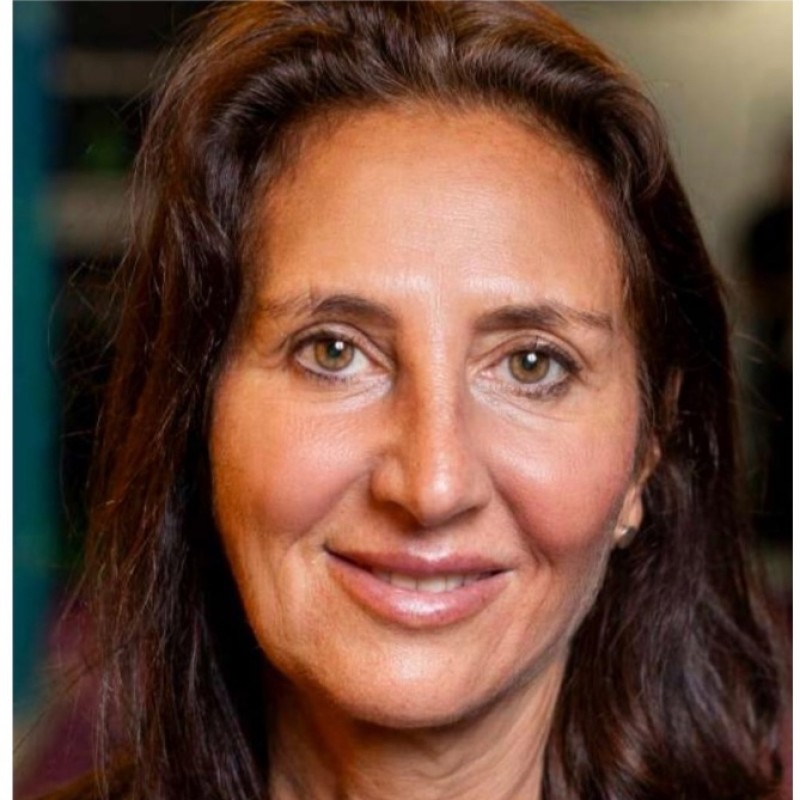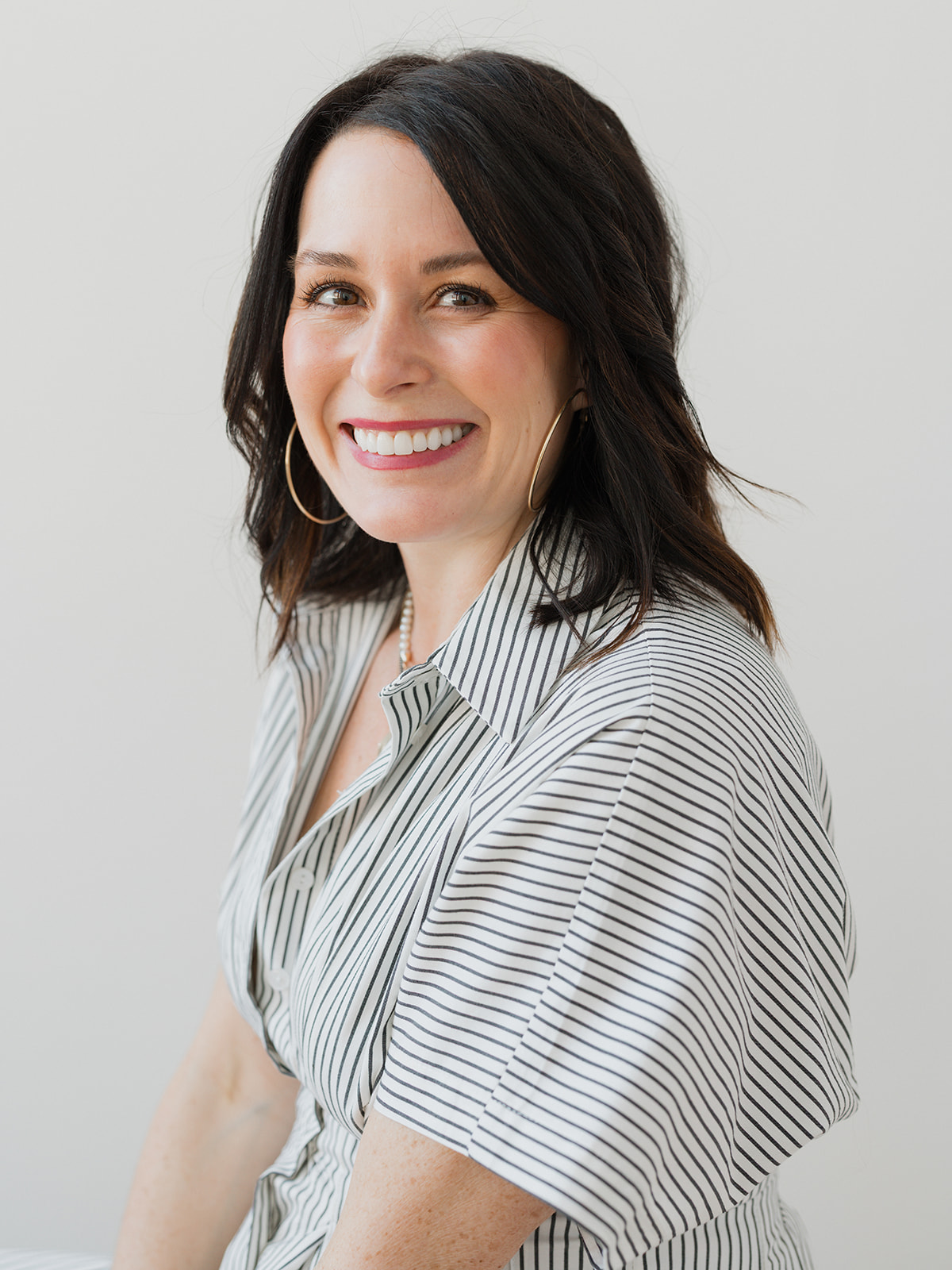



Jacqui Barrett is a co-founder of Wider Thinking and a powerful voice in the world of equity, diversity, and inclusion. With a background at the BBC and a deep commitment to meaningful change, Jacqui has dedicated her work to helping organisations move beyond surface-level gestures and toward real understanding and action. At Humans of Fuzia, we are featuring Jacqui for her courage in addressing uncomfortable conversations, her advocacy for women and underrepresented voices, and her belief that progress comes from education, empathy, and collective responsibility.
What inspired you to start your journey with Wider Thinking?
Wider Thinking grew out of another organisation I co-founded called Salient Future, where we created corporate animations to explain complex topics. Around 2019, a client asked us to develop content on unconscious bias. While researching it, we realised unconscious bias was only a small part of a much bigger world—equity, diversity, and inclusion as a whole.
Coming from a BBC background, I strongly believe you can entertain, inform, and educate at the same time. We wanted to use our storytelling and content-creation skills to build something deeper—content that genuinely helps organisations understand EDI in a scalable, engaging way. That realisation was the moment Wider Thinking was born.
What challenges have you faced while building and growing the organisation?
One of the biggest challenges is helping organisations truly accept how crucial EDI work is. Often, there’s willingness in theory—but resistance when it comes to real action, interrogation of systems, or allocating budget.
It’s easy for companies to engage in performative signalling—posting about inclusion, sponsoring an event, or updating website imagery. The real challenge is encouraging them to go deeper: to question their processes, invest in education, and consistently view their organisation through an EDI lens. That shift takes commitment, honesty, and courage.
What has been one of your proudest milestones so far?
There isn’t just one—it’s a series of moments. One that stands out is convincing a senior leadership panel, made up entirely of white men, that we needed to openly talk about privilege in an upcoming workshop. There was a lot of resistance and defensiveness at first.
Being able to guide them through that discomfort, earn their trust, and open their minds felt incredibly meaningful. It reminded me how powerful education can be when people are willing to listen.
Another proud moment was speaking on BBC Radio 4’s Woman’s Hour about postnatal care and incontinence—topics that are still deeply taboo. Talking openly about women’s health on an international platform felt like an important step toward breaking silence and stigma.
Do you work alone, or do you have support around you?
I have a team that grows and shifts with the business, but I also have something just as important—my village. A strong peer group and network of people on similar journeys.
Especially as a female founder, it’s vital to find your people—those who understand the highs and lows of entrepreneurship and remind you that you’re not alone. That support system makes a huge difference.
How has your client base evolved over the years?
When we started, EDI wasn’t widely discussed. Most conversations focused only on unconscious bias. Over time, as awareness has grown, organisations have begun to understand how critical equity, diversity, and inclusion truly are.
Today, our clients come from everywhere—creative industries, finance, legal, charities, public and private sectors. The diversity of organisations engaging in this work now is incredibly encouraging.
What are your thoughts on women in leadership today?
We’re making progress—but not nearly fast enough. Often, organisations think having one woman on the board is “enough,” without understanding intersectionality. One woman cannot represent all women.
Gender is only one part of who we are. There’s age, disability, neurodivergence, socioeconomic background, lived experience, nationality, and so much more. Representation needs to reflect that complexity.
When we look at leadership representation and the gender pay gap, progress is painfully slow. There’s still a lot of work to be done, and we can’t afford complacency.
What message would you share with future women leaders?
Find your mentors. Don’t isolate yourself. And most importantly—keep the door open behind you.
Leadership isn’t about there being one seat at the table for one woman. It’s about making the table bigger. Use your voice, your privilege, your influence, and your resources to lift other women up with you. That’s how real change happens.
“It’s not about one woman succeeding—it’s about building a future where many women rise together.”
Connect with Jacqui Barrett
- LinkedIn: Jacqui Barrett | LinkedIn
Want to be featured?
If you’d like to be featured in the Humans of Fuzia series, email us at fuziatalent@fuzia.com