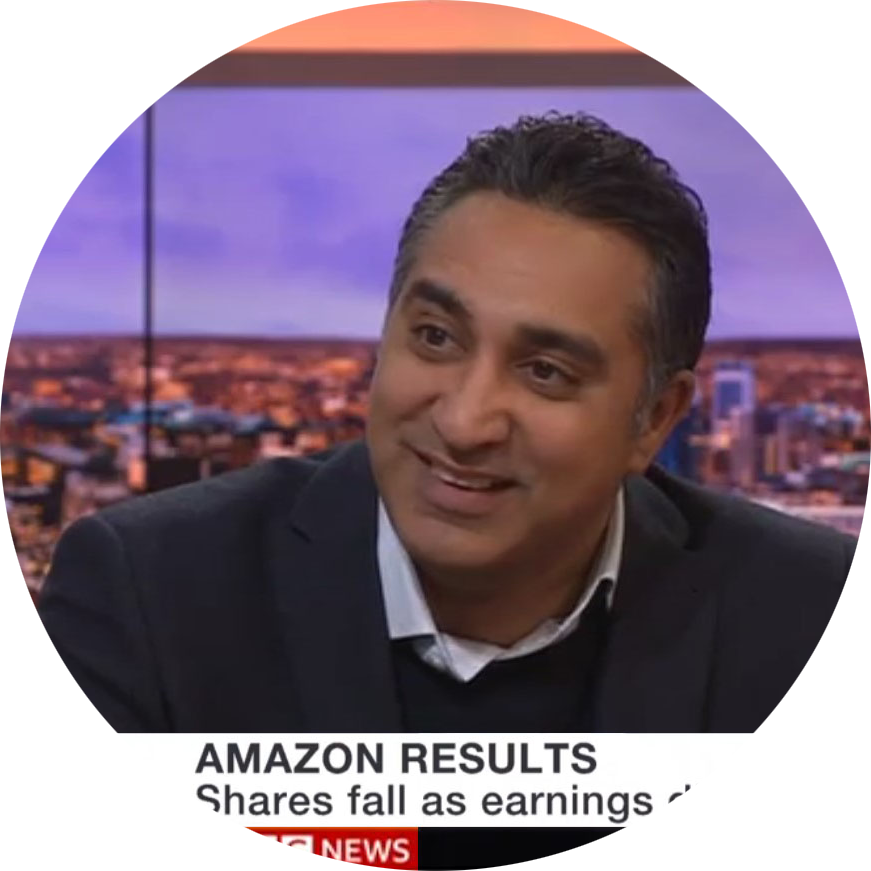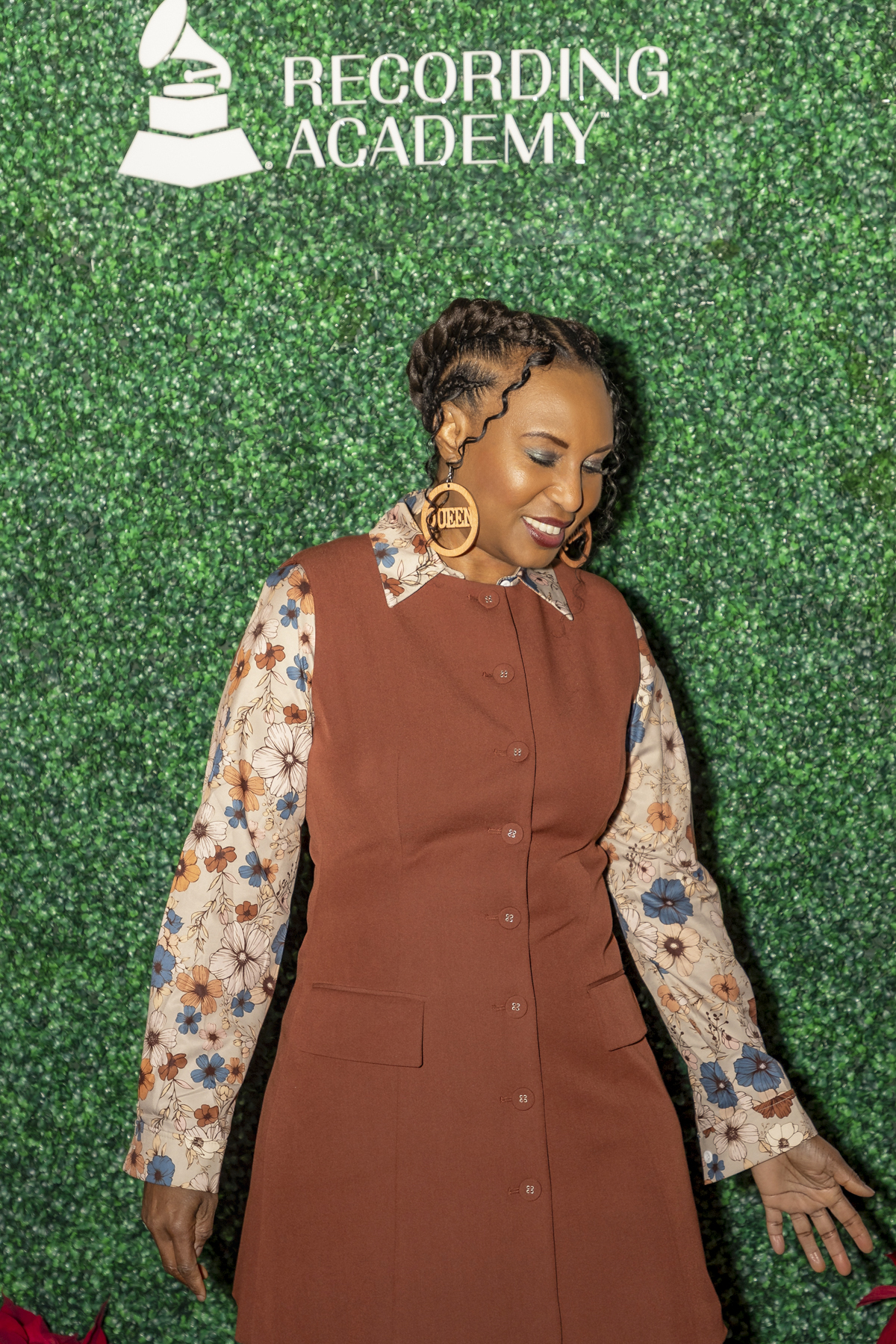




Daisy Spilker is an India-born, US-based coach whose journey through discrimination, resilience, and creative self-discovery has shaped a powerful mission: helping people understand their true strengths and lead from within. With a background in technology and law, and a deeply personal story of confronting bias and injustice, Daisy transforms challenge into purpose. Humans of Fuzia is featuring her to inspire our 5M+ community with her belief that every woman’s value is immeasurable, her voice matters, and success begins with being truthful to yourself.
Q: Can you share what inspired you to start your journey in coaching? Was there a moment, person, or challenge that pushed you in this direction?
Daisy: I am originally from India, from Kerala, and I came to the US for the love of my life, and my husband is an American. For me, it has always been about seeing people for what is in their heart, not where they come from or how they look.
In my career, I faced discrimination in the workplace—both in India and in the US, in different ways. I’ve always been someone who speaks from the heart and isn’t afraid to say what I truly feel. That can be difficult for some people to accept, especially coming from a woman from India. I experienced unfair treatment, including during and after pregnancy, and many painful work situations that made me question why this was happening.
Those experiences awakened something in me: I wanted to do something for working people who were suffering in their jobs. That desire to help others in the workplace is really where the seed of my coaching journey was planted.
Q: You have a strong academic background in both technology and law. How did your education shape your path toward coaching?
Daisy: My first master’s degree is in computers. After facing repeated discrimination, I started wondering, “Is this happening because I don’t have a US degree?” That question led me to the University of Washington School of Law, where I completed a second master’s in jurisprudence. I studied with law students in the same classes, and I graduated with a 3.6 GPA. I was one of only five people who graduated at that time, and I was also the oldest in the group, in my 40s.
It wasn’t easy. I was dealing with fibroids and had to travel a lot, but I still pushed through. I took courses like employment law and labor law because I wanted to help people who were suffering in workplaces.
But studying law also helped me understand its limitations—especially when it comes to one-time incidents or subtle discrimination. Employers often hold most of the power, and you cannot always “win” through legal systems alone. That realization made me see that I needed another way to support people more deeply and sustainably, and that’s where coaching started to make more and more sense.
Q: You mentioned a very meaningful painting that became central to your coaching work. Can you tell us about it and how it led to your “True Colors” methodology?
Daisy: I used to paint many years ago. In fact, my wedding gift to my husband was a pair of paintings about our relationship. After that, life moved on and I stopped painting for about 20 years.
During COVID, I returned to painting and created what I now call “the core” painting. I didn’t start it with some big plan—it began almost as an experiment—but it turned into something very serious and profound for me. It was like looking into my own soul and our life. That painting held so much meaning that it pushed me to see patterns in my own experiences—the strengths that carried me through both good and bad times.
From there, I went on to study coaching and gradually developed what I now call my True Colors Methodology. It draws from color theory in painting and from my background in IT, where there are clear processes and phases. I wanted something simple that people could remember and use—a structured way to solve life problems.
At its heart, True Colors is about helping people see their own patterns and strengths. It’s a form of self-leadership: recognizing that you have the ability to solve your own problems and that your true colors—your inner strengths—have been guiding you all along.
Q: In your view, what do women bring to leadership and workplaces today?
Daisy: I believe women and men have different qualities, and both are important. Women naturally bring more compassion to workplaces—that is part of our nature. Compassion is not a “soft extra”; it is crucial to how teams function and how people feel at work.
But when I look at the trends around me, I see that even when women are more talented than men, they often don’t get the same recognition. Many women don’t go out and say, “I want that role” or “I deserve that salary.” Men, on the other hand, are often more direct and less afraid to ask.
Because of this, women are frequently underpaid, under-recognized, and taken advantage of—even when they are doing the same work or more. I see this as a global issue, not just something happening in one country.
I can say the same about myself. If I had been a man, I strongly feel I might have been much “higher” in traditional career terms by now. There is still a mindset in many places that women can be treated as less, or that it’s acceptable to overlook them.
Q: What message would you like to share with future women leaders and aspiring women entrepreneurs?
Daisy: My message is: be proud of who you are. There is so much to be proud of. Your value cannot be measured by anyone, and no one has the right or the ability to truly measure your worth.
Know your strengths. Know what makes you who you are. And then lead with courage.
When you are rooted in your own value, you don’t have to wait for others to validate you. You can move forward from a place of strength instead of fear.
Q: How do you personally define success, both professionally and personally?
Daisy: My idea of success is very simple: if you feel happy and content in yourself, that is success.
We often look at titles and external markers—what we don’t have yet, which positions we didn’t reach. But for me, success means that you did everything you could, within your control, as truthfully and sincerely as possible.
If you can say, “No matter what my job title is or where I am, I did my best and I stayed true to myself,” then, at the end of your life, you will be happy. That, to me, is real success.
Q: Are you currently working alone in your business, or do you have a team supporting you?
Daisy: Right now, I don’t have a team. My background is in IT and law, not in counseling or HR, which are more traditional paths into coaching. That has made parts of this journey more challenging.
I’ve tried working with marketing support before, but I didn’t like intrusive, aggressive methods. For me, marketing has to feel authentic and genuine—aligned with who I am. So at the moment, I am still exploring how to make everything work in a way that feels right, whether it’s part-time, full-time, or combined with another role.
I’m still shaping what this looks like, but I know that staying true to myself is non-negotiable.
Daisy’s story reminds us that our worth is not defined by job titles, external recognition, or how others choose to see us. As she believes, success is found in being content with who you are and knowing you have done your best, truthfully and courageously. When women embrace their true colors and lead themselves from within, they create a ripple effect of strength, compassion, and change in every space they enter.
Connect with Daisy Spilker:
- Website: coreofaleader.com
- LinkedIn: Daisy Varghese Spilker | LinkedIn
Want to be featured?
If you’d like to be featured in the Humans of Fuzia series, email us at fuziatalent@fuzia.com.