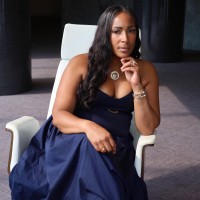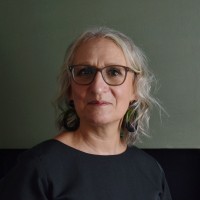



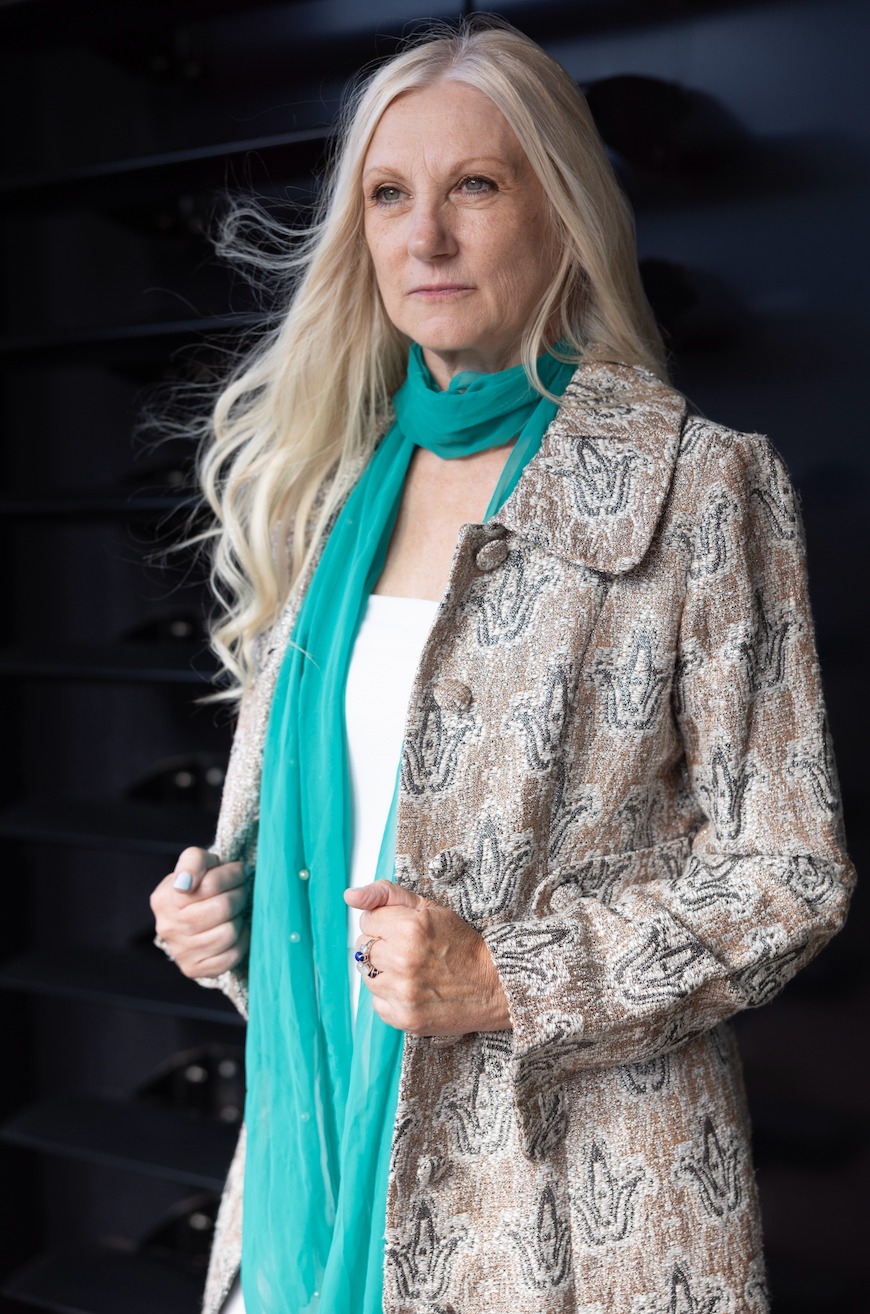
Cindi DuMond is a grief and emotional regulation consultant, registered nurse, and founder of Don’t Despair Coaching. After decades of working closely with families through life’s most difficult moments—as a funeral director and later in pediatric nursing—she learned a powerful truth: people don’t need to be “fixed,” they need to be felt with. Today, she guides high-performing individuals, caregivers, and leaders through the emotional overwhelm that comes with loss, transition, and responsibility. Humans of Fuzia is featuring Cindi because her story reminds us that emotional literacy, resilience, and compassion are essential tools for a more humane world. Her message will empower our 5 million community members to support one another with empathy—practicing both He for She and She for She.
Q: Tell us a bit about your work and what led you to start Don’t Despair Coaching.
I’m an RN and a grief and emotional regulation consultant. I discovered a model called the Adult Chair model during my own counseling journey. It changed the way I understood emotions, so I became certified and later a master coach. After 30 years working directly with families in grief and crisis, I saw that people don’t need to be “fixed.” They need space to feel, to be seen, and to reconnect with their grounded, healthy adult self. That’s why I started Don’t Despair Coaching in 2022. My mission is to help people regulate, rebuild, and realize that grief is not the end—it’s an invitation to come home to yourself.
Q: You often stress that grief is more than just death. What do you mean by that?
Grief is any form of loss—job loss, divorce, transitions, kids leaving home, identity shifts, major changes. These experiences trigger the same emotional responses as bereavement. We just don’t name them as grief, so people think they’re “overreacting” or should just push through. But we’re meant to feel. When we suppress, our system shuts down. When we feel, we regulate, heal, and move forward.
Q: Who are the people you primarily work with?
I work with high-performing individuals, caregivers, and professionals who look strong on the outside but carry an unseen emotional load. Leaders and entrepreneurs navigating burnout or identity shifts, healthcare workers, therapists, funeral directors, dentists—people who hold space for others all day long. I also support parents and caregivers who feel disconnected from themselves while trying to stay steady for everyone else. And I collaborate with organizations to build emotionally intelligent cultures where compassion and productivity can coexist.
Q: How do people typically find you and your work?
A lot of people find me through word of mouth because clients share their own transformation stories. I’ve been featured on podcasts and in She Sells Magazine. I also share tools on LinkedIn and Instagram—practical resources like my grief toolbox, feeling charts, and a reclamation kit. Many people tell me they were drawn to my work not because of marketing, but because they felt safety and truth in my words.
Q: Do you work alone or with a team?
I have support. I have my own coaches, and I have an assistant who helps with things I can’t or don’t want to do. Asking for help is necessary—and it’s something I teach and practice.
Q: What are your aspirations for the future?
My biggest aspiration is to change the way the world relates to grief and emotional overwhelm. I’m building a global movement that sees grief not as something to escape, but as an opening to reconnect with ourselves. I want to expand my speaking work and bring emotional literacy into leadership, education, and healthcare spaces. I’m exploring retreats and in-person programs because being in a shared space brings a deeper, transformative energy.
Q: What challenges have you faced along the way?
Most of my challenges have been internal—learning to slow down, trust timing, and lead from presence rather than urgency. I had to balance the emotional depth of my work with the realities of running a business. And I questioned at times whether the world was ready for this level of emotional conversation. But I’ve learned people are ready—they’re craving authenticity, safety, and permission to feel. As for AI, I’ve embraced it, taken courses, and learned how it can help rather than replace what I do.
Q: What message would you like to leave for our readers?
You’re not behind—you’re becoming. Every ending, every uncertainty, is a doorway back to who you really are. You don’t have to be fearless to move forward. Courage is allowing yourself to feel, regulate, and rise one grounded breath at a time. Your softness is not your weakness—it’s your superpower.
“The world doesn’t need you to be perfect—it just needs you to be present.”
Want to be featured?
If you’d like to be featured in the Humans of Fuzia series, email us at fuziatalent@fuzia.com.