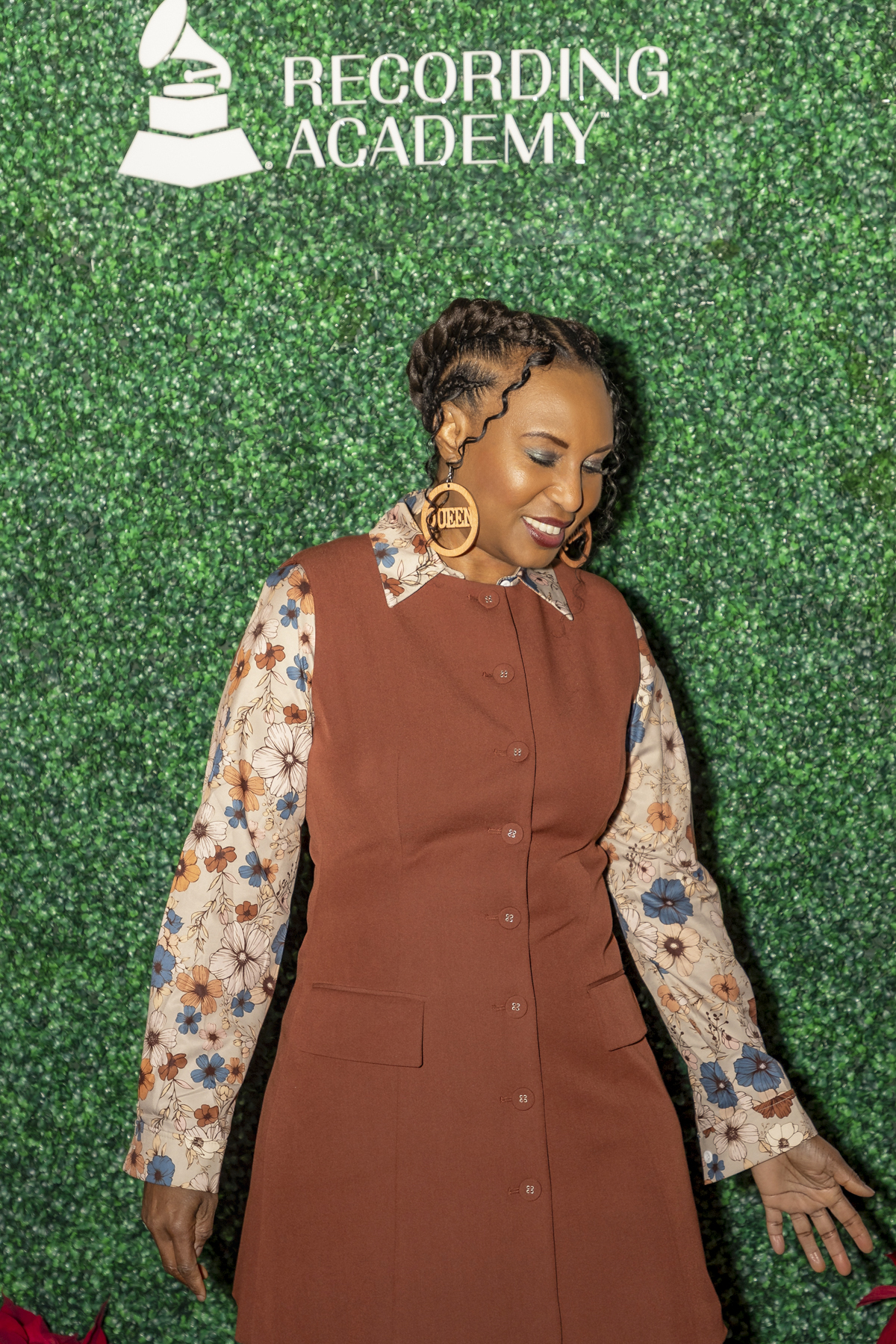



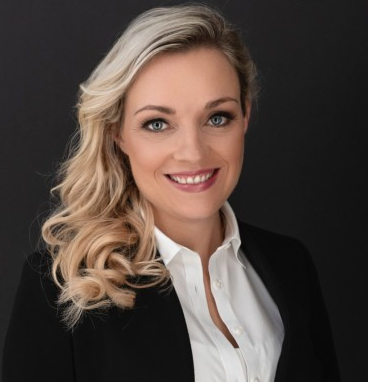
Cassandra Erato is the founder and driving force behind Spalding Clinical Research, a company that has transformed how pharmaceutical research is conducted in humans. With a background in healthcare and years of experience navigating a male-dominated industry, Cassandra’s journey is one of curiosity, resilience, and quiet strength. Through innovation, self-awareness, and perseverance, she has built systems that accelerate clinical research timelines—while also redefining what balance and purpose look like for women leaders. Humans of Fuzia is proud to feature Cassandra as a changemaker whose story deeply resonates with aspiring entrepreneurs across the globe.
What inspired you to start your entrepreneurial journey?
My background was originally in healthcare. I had just completed my nurse practitioner training when this business began, and I stepped in to learn every part of the operation. Over time, I became curious—not just about operations, but also finance and sales. I wanted to understand how everything worked.
That curiosity eventually turned into ownership. About eight years ago, my drive to build something meaningful and my desire to create and improve systems became the main force behind taking this leap into entrepreneurship.
Who do you primarily serve through your work?
We primarily work with biotech and pharmaceutical companies across the United States, Canada, Europe, and Asia. Our focus is on supporting clinical research with faster, more integrated systems that improve efficiency and outcomes.
What impact has your work created in the industry?
Clinical research had long been slowed down by paper-based processes and disconnected data systems. We transformed that model by creating one integrated system that streamlines the entire process—from start to finish.
As a result, we’ve significantly accelerated research timelines and remain one of the fastest companies in the industry. That ability to move quickly while maintaining accuracy has made a meaningful difference for our partners.
Did you experience imposter syndrome during your journey?
Absolutely—especially as a woman in a very male-dominated industry. I constantly felt like I had to prove myself. I leaned heavily on my education and my ability to learn quickly, but that pressure to demonstrate my worth was always there.
It took time to overcome that mindset. About five years ago, I finally reached a place where I could show up fully—bringing my unique knowledge and experience without feeling like I had something to prove. That shift made all the difference.
Is there anything you wish you had done differently when starting out?
I wish I had developed confidence in myself much earlier. I spent years working on understanding my strengths through personality assessments and self-reflection, but deeper inner work—especially shadow work—only came later.
If I had started that self-work earlier, it would have helped me step into my leadership more confidently. Understanding yourself and releasing self-doubt is incredibly powerful, and I believe everyone benefits from doing that work.
What were some of the biggest challenges you faced as an entrepreneur?
We were a small business competing against much larger, established companies, and we also faced multiple economic downturns along the way. There were periods when sales slowed significantly, and we had to make very difficult decisions just to survive.
Those moments were incredibly hard—but they also shaped me. I feel battle-tested now, prepared to face whatever comes next. Every challenge strengthened my resilience and leadership.
How do you define success, both personally and professionally?
Professionally, success means creating a company where hundreds of people can thrive—where employees feel valued, joyful, and empowered to bring their talents forward. It’s also about building a profitable, sustainable business that benefits employees, investors, and the industry as a whole.
Personally, success is balance. It’s having systems in place so life doesn’t feel like constant stress or chaos. It’s living in equilibrium and joy, working alongside others to build something meaningful.
What kind of legacy do you hope to leave behind?
I want people—especially women—to believe they can live their purpose without sacrificing family or personal fulfillment. I raised six children while navigating the hardships of entrepreneurship, and while it wasn’t easy, it taught me what’s possible.
My legacy is about showing women that they don’t have to abandon one part of themselves to succeed in another. There is a way to bring passion, purpose, and motherhood together.
Is there anything exciting you’re currently working on?
Much of our work is confidential, but one exciting focus is continuing to reduce data turnaround timelines in clinical research. Industry standards typically sit around 50 days, and we’ve already reduced that to about 15 days.
Now, we’re working toward bringing that down to just eight days, which is incredibly exciting and impactful for the future of clinical trials.
What advice would you give aspiring entrepreneurs?
Don’t listen to the negative voice in your head telling you that you can’t do it. Just keep going—one step at a time.
Even after building a successful business, starting from scratch can feel terrifying. The key is to ignore the fear, quiet the doubt, and keep moving forward. Momentum builds when you simply refuse to stop.
“Confidence grows when you keep moving forward—even when the path feels uncertain.”