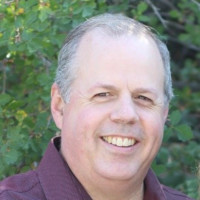


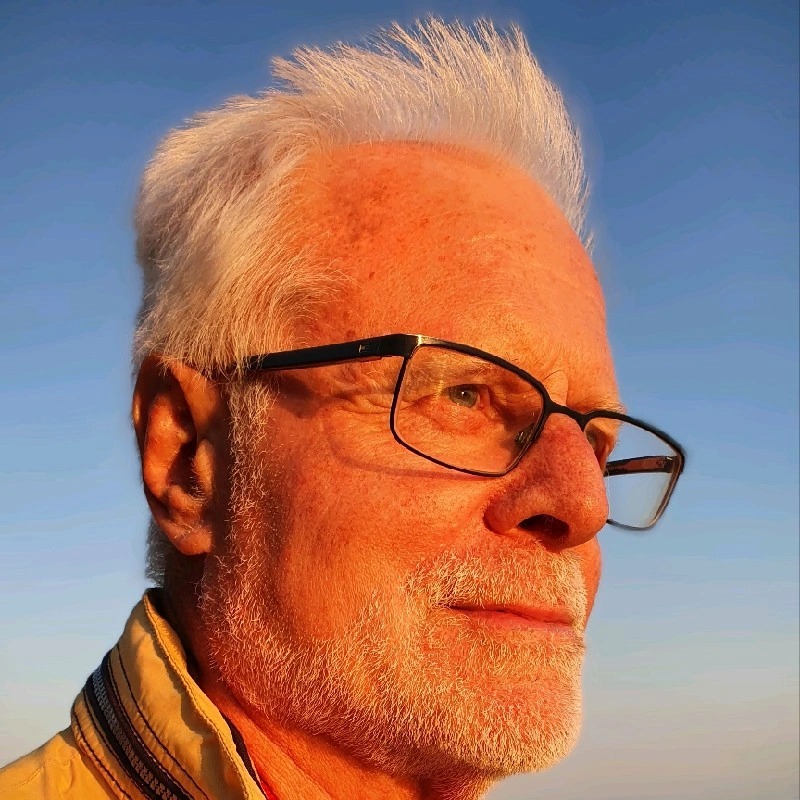
Brian Norris, the founder of Living Memories, has spent a lifetime shaping the global audiovisual industry before turning his heart toward community well-being. Now in his late seventies, his mission is deeply human — using nostalgic archive films to spark conversations, connection, and healing among older adults, especially those experiencing loneliness or memory loss. Featured by Humans of Fuzia for his compassionate vision, Brian’s journey inspires our 5M+ community to value intergenerational bonds, shared stories, and the timeless power of memories.
1. Brian, could you tell us about your early journey and what led you toward Living Memories?
My career originally began in international law and trade, and I was headed toward international banking. But life took a turn when I applied for a job in Amsterdam — unknowingly with a new film distribution venture created by Paramount and Universal. I spent many years helping build what became one of the world’s largest film distribution companies and later served as Associate General Counsel for the Motion Picture Association of America.
Alongside that, I was always involved in community work. So when I considered retirement, I wanted to stay connected with film while doing something meaningful for people.
2. What inspired the creation of Living Memories?
My wife and I were living in a small, isolated hamlet in Cornwall with elderly neighbors who were becoming increasingly lonely. We began inviting them in for tea and showing short archive films from my wife’s collection. The reactions were powerful — the films instantly triggered memories, conversations, and joy. Even people with early-stage dementia, who rarely spoke in groups, started engaging.
That experience made us realize the therapeutic potential of reminiscence through film. After years of research, trials, and partnerships with major archives, Living Memories Online was born — a nonprofit streaming platform helping older adults reconnect with their past and with one another.
3. How does Living Memories work today?
The platform now holds around 3,000 curated archive films, with the potential to add thousands more through partners like Reuters. Care homes, community groups, families, and even individuals can subscribe.
It allows people to create film collections, share them with loved ones anywhere in the world, and spark reminiscence sessions — whether in groups, homes, or virtually. We’re constantly expanding content to reflect diverse ethnic communities, including stories from India, Pakistan, the Caribbean, and beyond. Technology continues opening new doors for meaningful connection.
4. What challenges do you face in running a nonprofit like this?
The biggest challenge is fundraising. Many grant programs in the UK are designed only for charities, not community interest companies like ours. Another issue is the shortage of volunteers post-COVID — people remain cautious about social gatherings.
But the need is greater than ever. Dementia affects countless families, and reminiscence is proven to help with wellbeing. We’re also looking to bring in younger people to continue the work and help take the platform to the next stage.
5. You mentioned a podcast. What is the vision behind it?
The podcast will encourage people everywhere to engage in reminiscence — with parents, grandparents, friends, or whole communities. I want to interview people from different countries who lead memory-sharing activities, work with older adults, or carry cultural oral histories forward.
It’s about rediscovering storytelling, bridging generations, and reminding people that the past is a treasure, not something to be forgotten.
6. Any message you’d like to share with our community?
There is enormous potential in simply sitting with an older adult and inviting them to share their memories. You always learn something — and they feel valued. In a world where loneliness is rising, a few hours spent listening can transform lives. And opportunities exist for people everywhere to help: running reminiscence groups, using platforms like ours, or visiting those who cannot leave their homes. It creates community, dignity, and connection.
“Every time you sit with an older adult, you gain a piece of history — and they gain a moment of joy.” – Brian Norris
Connect with Brian Norris:
https://www.linkedin.com/in/briannorris1
Want to be featured?
If you’d like to be featured in the Humans of Fuzia series, email us at fuziatalent@fuzia.com.