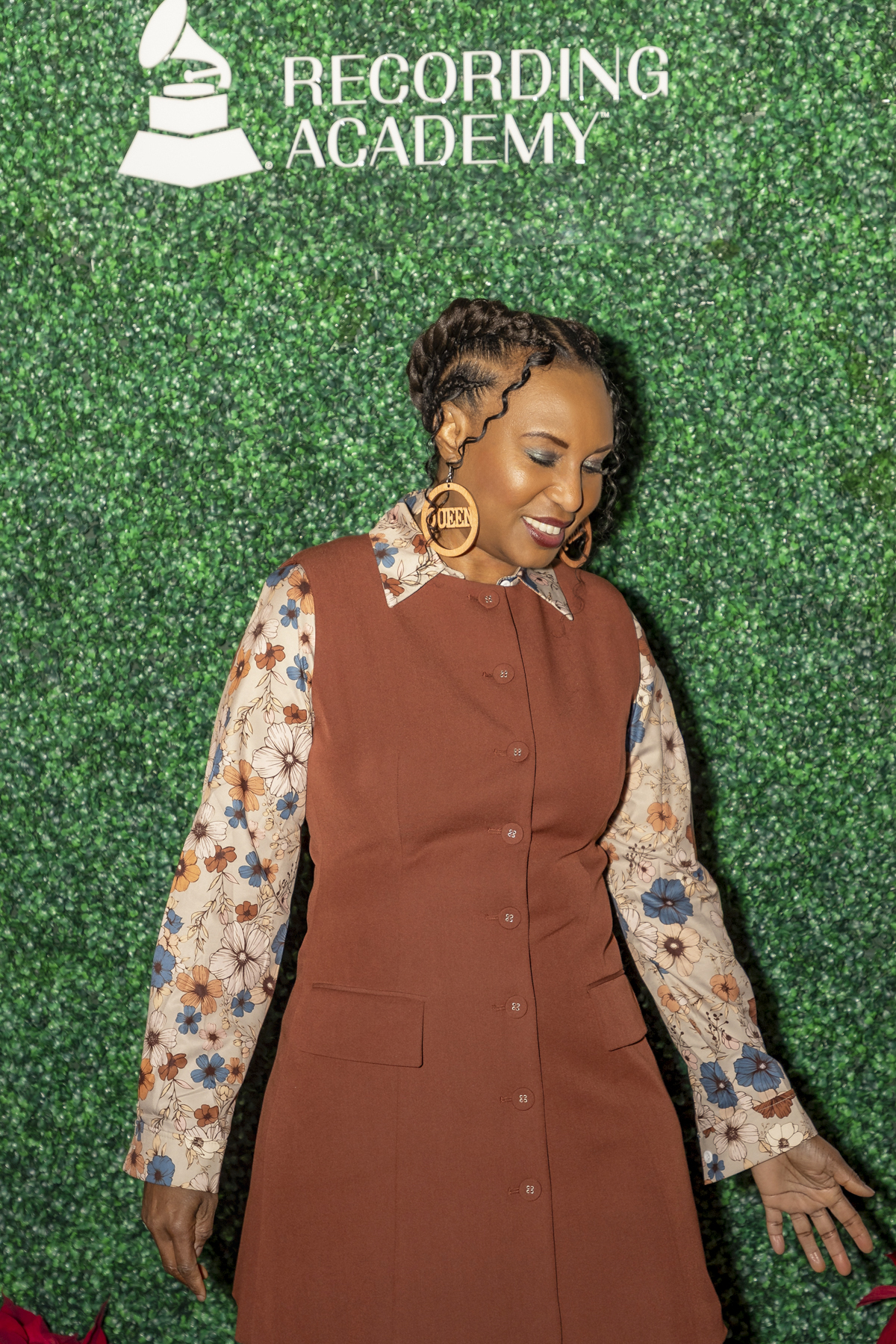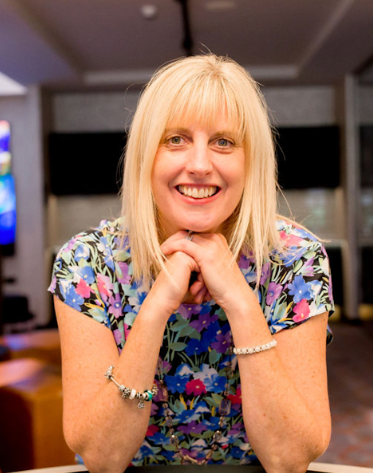



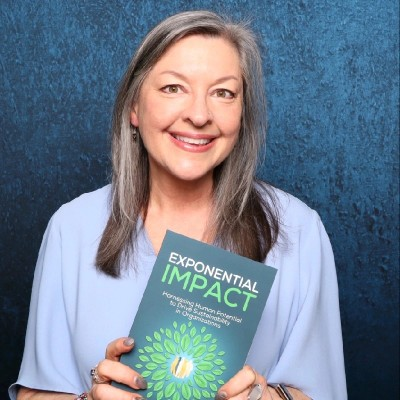
Aurora Dawn Benton is a sustainability strategist, author, and entrepreneur who has spent decades navigating multiple industries before finding her true calling at the intersection of purpose and impact. Her journey is a powerful reminder that meaningful work doesn’t always follow a straight line — and that it’s never too late to build a career aligned with values. Humans of Fuzia features Aurora for her unwavering commitment to social impact, conscious leadership, and for the clarity she brings to women who are seeking purpose-driven careers in a rapidly changing world.
What inspired you to start your journey as an entrepreneur?
About ten years ago, in 2016, I was working in higher education after having spent time across four different industries. I’d always been searching for something — trying to understand where I truly belonged. Earlier, I had co-founded a social enterprise incubator as a volunteer, and that experience deeply shaped my interest in social impact through business. I was also completing my doctorate in social impact management, so everything was pointing me in that direction.
When I was laid off due to a company restructuring, it became a moment of reckoning. Every door I tried to knock on closed, and I finally asked myself, “What am I waiting for?” I realized I didn’t yet have the traditional resume to enter sustainability roles, so I chose to create my own path. I started my company knowing the journey wouldn’t be easy — but it felt aligned. This year, that decision turns ten years old.
What challenges did you face while establishing your business, and how did you overcome them?
One of the earliest challenges was deciding whether to be a generalist or a specialist. After speaking with experienced sustainability consultants, I chose to specialize in hospitality, travel, and events — industries I personally loved. That decision changed everything.
I immersed myself in learning, volunteered extensively, joined industry committees, earned credentials, and built credibility step by step. Networking became my classroom. In 2018, I landed a major food-waste project with the World Wildlife Fund, and that work opened doors to long-term collaborations that shaped the next phase of my business.
Do you work solo, or do you have a team supporting you?
I’ve always worked collaboratively. Instead of hiring full-time employees, I partner with subcontractors — mostly women — who value flexibility due to their life circumstances. This model has created a symbiotic ecosystem where we support each other professionally without unnecessary pressure. It allows freedom, trust, and balance, which are values I deeply believe in.
How has your client base evolved as your business has grown?
Most of my work has been centered around long-term, complex projects, often tied to research or thought leadership. While I enjoy that depth, I’m currently navigating how to scale through shorter, repeatable services — especially around waste management. It’s a learning phase where I’m redefining growth while staying true to the kind of work I love.
What are your thoughts on women in leadership today?
There’s still a long way to go. Women — especially women of color — fight harder for leadership roles, and that journey builds resilience, empathy, and strategic depth that often goes unrecognized. I didn’t always identify as a feminist, but over time, through reflection and learning, I came to understand how deeply systemic these challenges are.
What gives me hope is seeing younger generations refuse to tolerate outdated norms. They are calling things out, demanding better, and reshaping leadership in healthier ways.
What message would you share with future women leaders and aspiring entrepreneurs?
Purpose matters — deeply. Many people pursue entrepreneurship because they’re searching for meaning that traditional environments fail to provide. Entrepreneurship is hard, and if it doesn’t work out, that isn’t failure.
Purpose doesn’t live only in big visions; it lives in daily tasks, conversations, and decisions. Whether you’re an entrepreneur or part of an organization, always ask how your work connects back to purpose. When people understand that connection, workplaces become more humane, fulfilling, and impactful.
“This isn’t just an email, a meeting, or a spreadsheet — it all matters when it’s connected to purpose.”
Connect with Aurora Dawn Benton: Dr. Aurora Dawn Benton | LinkedIn
Want to be featured?
If you’d like to be featured in the Humans of Fuzia series, email us at fuziatalent@fuzia.com