


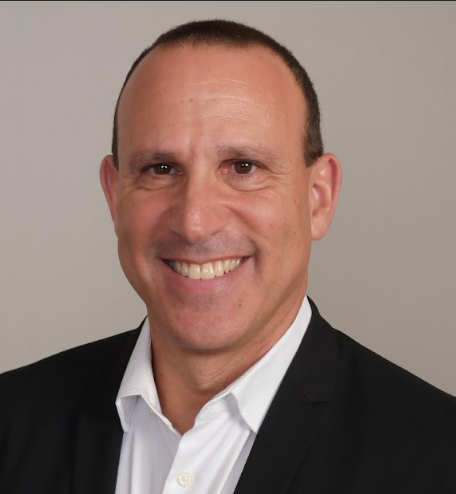
Scott Finkelstein is a seasoned entrepreneur, sales leader, and business coach with over four decades of experience driving growth, building teams, and creating impact. After a successful corporate career and multiple ventures, Scott chose a purpose-led path—one focused on positively affecting lives through leadership, mentorship, and sustainable business practices. Humans of Fuzia is featuring Scott because his journey reflects the power of conscious entrepreneurship, resilience, and giving back—values that deeply resonate with our 5 million-strong global community working together to uplift women and allies through She for She and He for She.
What inspired you to start your own entrepreneurial journey after a long corporate career?
In 2019, after my last role as a Chief Revenue Officer ended with a successful exit, I asked myself a simple question—what do I want to do next? I had been incredibly blessed with mentors and coaches throughout my life, and it felt like the right time to truly pay it forward.
I set a personal goal in August 2019: to positively affect one million lives in ten years. Everything I do now aligns with that purpose. That’s what led me into coaching—business, sales, and leadership—and later into other ventures. At this stage of my life, my purpose isn’t to help someone else make money. It’s about impact and owning my destiny.
Who do you primarily work with today?
I focus on founder-led businesses, typically generating between $1 million and $25 million in revenue. In many of these companies, the founder is still the top salesperson and wears far too many hats. Revenue often feels like a roller coaster.
My work helps bring predictability and structure so founders can step back into their true role as visionaries—without working endless hours or sacrificing their personal lives.
What kind of transformation do your clients experience?
The biggest shift is freedom. Founders can finally take the sales hat off their heads and focus on why they started their business in the first place. When revenue becomes predictable and dependable, it removes constant stress.
That predictability also increases business valuation, creates healthier work-life balance, and allows founders to spend more time with family and community—things that truly matter.
Imposter syndrome is something many entrepreneurs struggle with. Have you experienced it?
Absolutely. When I started my coaching business in 2019, despite decades of success and billions in revenue created, I found myself at zero income for the first few months. It shook me.
A coach once asked me, “Do you truly believe you’re a business owner?” At that moment, I realized I still identified as a corporate executive. Once I shifted that identity and truly owned being an entrepreneur, everything changed. Within a month, my business took off.
I’ve had similar moments since—especially while building a tech startup. Each time, the breakthrough came when I fully stepped into believing who I am. That belief changes how the world responds to you.
Looking back, is there anything you would have done differently when starting out?
I would have made sure I had more money in the bank before taking the leap. Going all in without a financial safety net adds a level of stress most people underestimate.
I’d still make the same decisions—but with more preparation. Building a business costs more and takes longer than you think, even when you’re experienced.
What challenges should aspiring entrepreneurs be prepared for?
Financial timelines are longer than expected. Coaching, in particular, is one of the hardest things to sell because the return on investment isn’t always immediately measurable.
People often undervalue impact-based work. You have to become confident in communicating your worth—not your time, but your impact. Until I learned that, growth was slow. Entrepreneurship is a constant learning curve.
How do you decide whether an idea is worth pursuing?
You never really know. You research, talk to people, validate demand—but ultimately, there’s always a leap of faith involved.
Even great ideas fail. The key is believing in yourself and being willing to take the risk. There’s a reason fewer than 20% of startups survive—it requires resilience, faith, and adaptability.
What does success mean to you today, personally and professionally?
Success for me is impact. If I can positively affect one person, that impact ripples into families and communities. That’s how lives are truly changed.
There’s also a financial component—not for accumulation, but to fund a future foundation that gives back in meaningful ways. Impact and purpose drive everything I do.
What kind of legacy do you hope to leave behind?
I don’t need recognition or my name on a building. Legacy, for me, is about the lives we touch.
If people feel supported, empowered, and better because we crossed paths—that’s enough. The real legacy lives in the communities we help uplift.
Is there anything exciting you’re currently working on?
I’ve just completed my second book, Wait, Don’t Hire a VP of Sales Yet, which will be released as an e-book soon. I’m also developing programs and workshops to extend our reach and continue creating impact.
“Legacy isn’t about recognition—it’s about knowing that someone’s life is better because you showed up.”
Connect with Scott Finkelstein:
https://www.linkedin.com/in/scott-finkelstein-08026914/
https://salesscalers.com/
Want to be featured?
If you’d like to be featured in the Humans of Fuzia series, email us at fuziatalent@fuzia.com