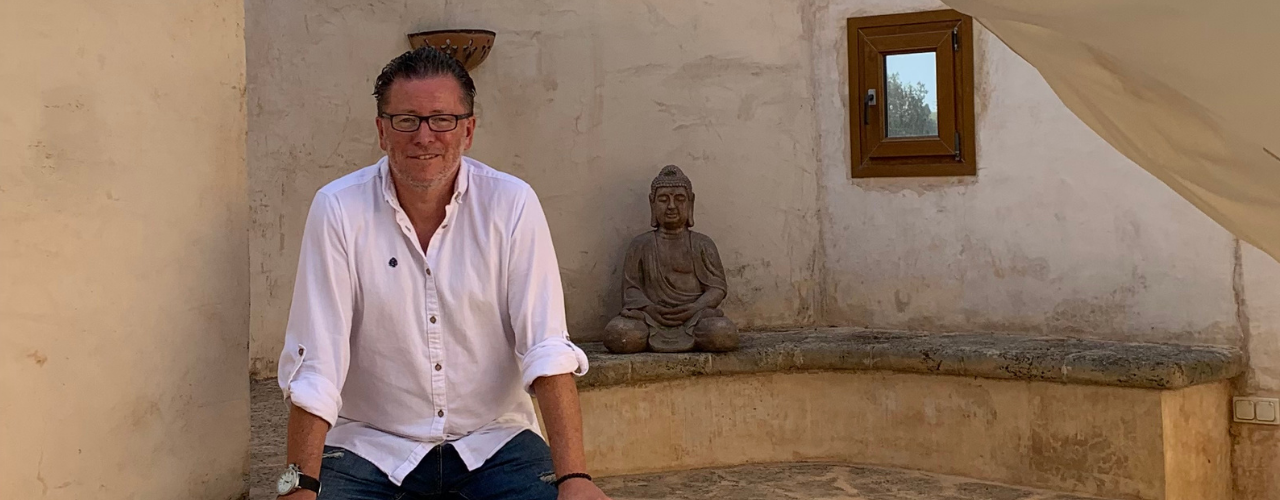



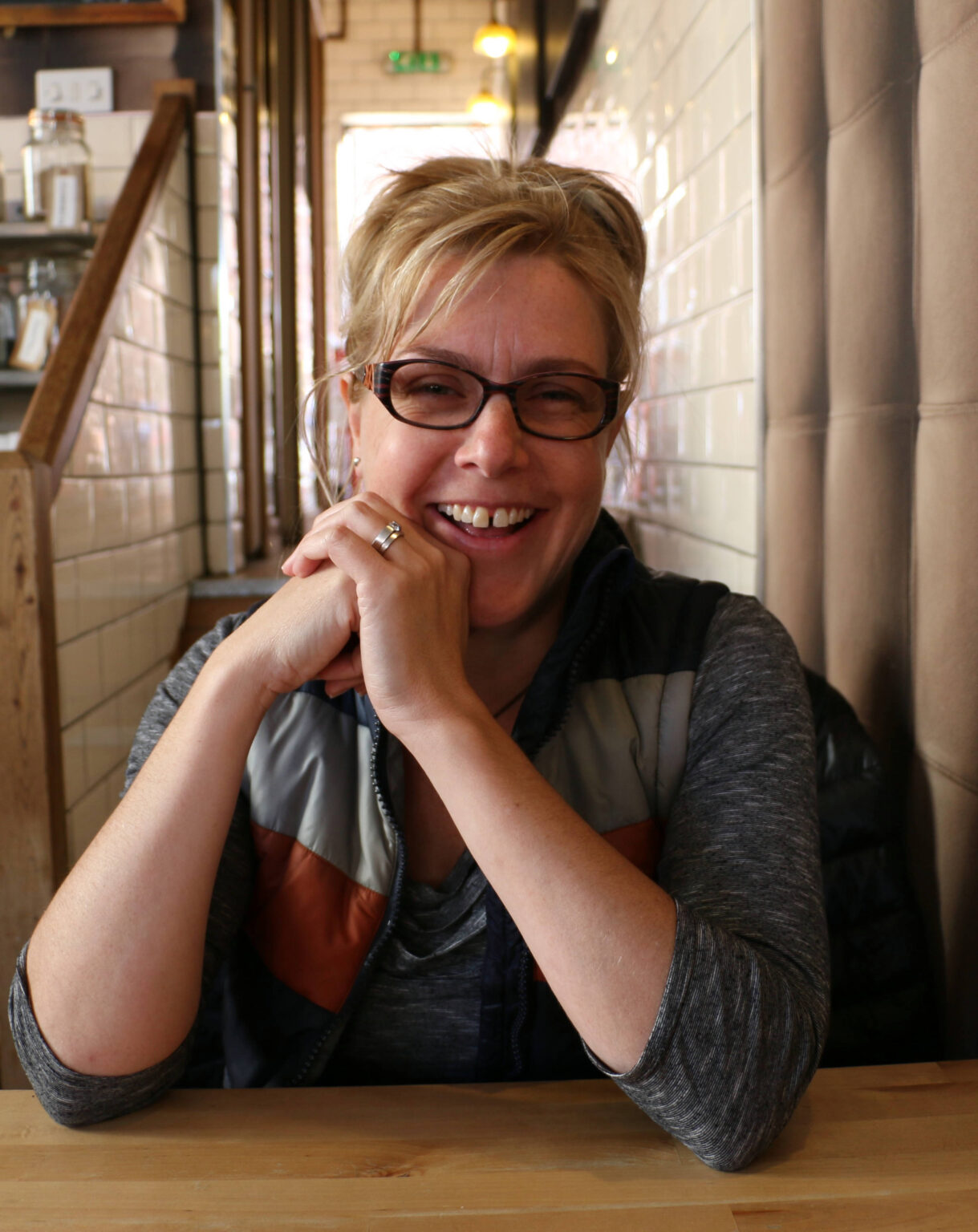
Leigh East’s journey is rooted in lived experience, deep reflection, and a strong desire to make the path easier for others. Diagnosed as neurodivergent herself, Leigh understands firsthand how isolating and overwhelming that moment of discovery can be. Through her work, she supports individuals navigating identity transition after a diagnosis—an often-overlooked phase that deeply impacts confidence, work, and self-understanding. Humans of Fuzia is proud to feature Leigh for the compassion, honesty, and clarity she brings to a space where many feel unseen, helping our global community better understand neurodiversity, intersectionality, and meaningful change.
What inspired you to start your journey in this field?
I was diagnosed as neurodivergent around ten years ago, and that experience was incredibly painful—not just practically, but emotionally as well. Finding support was extremely difficult. It was either too expensive, unavailable, or involved waiting months and months. As I went through that process, I realised there was a huge gap for people who are newly diagnosed. Over the years, I wrote, researched, and eventually retrained as a coach focused on identity transition—the “what next” after diagnosis. That period can be a rollercoaster of emotions, and going through it unsupported can be deeply traumatic. That’s where my work really comes from.
What challenges did you face while establishing yourself, especially with marketing?
The industry is quite saturated, particularly with ADHD coaching, and pricing in this space can be very high. I struggled with finding a price point that felt ethical because I work with people at a very vulnerable stage of their lives. Charging astronomical fees didn’t align with my values. So I offer a sliding scale and support people through available grants in the UK.
Marketing-wise, identity transition is hard to explain. Many people see diagnosis as the endpoint, when in reality, it’s just the beginning. Helping people understand that ongoing process—sometimes lasting years—has been one of the biggest challenges.
How did you communicate this message more effectively?
Talking directly to people and organisations has been far more effective than traditional marketing. When I speak about identity transition, it becomes clearer that diagnosis doesn’t suddenly make everything fall into place. Medication or workplace support is only a small part of the journey—there’s much more that comes after.
What has been your proudest milestone so far?
Actually launching. I’d been mentoring in this space for nearly ten years, but very informally. Putting a stake in the ground and saying, “This is a business,” was daunting. Launching a website, creating a business plan, and committing fully felt like stepping into the spotlight—but it was a big and important step.
Do you work alone or with a team?
I’m very much a one-woman band. I do consult with others, but the coaching and modules I offer are entirely delivered by me.
How has your client journey evolved over time?
It’s been fairly steady. I work one-to-one and don’t offer group sessions, so there’s a natural limit to how many people I can support. A big part of my work includes psychoeducation, which often blends into coaching sessions. I believe understanding what’s happening internally is a vital part of long-term change.
What are your thoughts on women in leadership today?
I see myself as a thought leader, rather than a female thought leader. That said, my lived experience as a neurodivergent woman is fundamental to the work I do. I understand the intersection of those identities, and that understanding deeply shapes how I approach my work and my business.
What does success mean to you, personally and professionally?
For me, success is defined by the change experienced by the people I work with. It’s not about big, dramatic transformations at the end of a programme—it’s about the micro-changes that happen in every conversation. Those moments of realisation, clarity, or confidence are incredibly rewarding. That’s where success lives for me.
“Success isn’t one big outcome—it’s the small shifts that happen in every conversation, and watching someone slowly become more at ease with who they are.”
Connect with Leigh East:
- Leigh East | LinkedIn
Want to be featured?
If you’d like to be featured in the Humans of Fuzia series, email us at fuziatalent@fuzia.com