


A Leadership Wake-Up Call: “The Workplace Is Broken”
“The workplace is broken.”
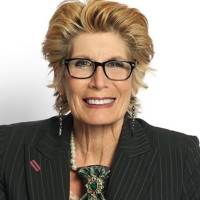
That’s not a dramatic headline — it’s a direct, unfiltered insight from Bonnie Low-Kramen, a globally respected voice in leadership coaching and workplace transformation.
In a time when organizations are still recalibrating post-pandemic realities, her statement captures a deeper truth: businesses haven’t just changed — they’re still figuring out how to function.
At Humans of Fuzia (HOF), where leadership, entrepreneurship, coaching, and women empowerment intersect, this conversation reflects a pattern seen across thousands of founders and coaches — growth is happening, but systems, leadership, and culture are struggling to keep up.
From Assistant to Authority: A Mission Rooted in Real Problems
Bonnie’s entrepreneurial journey didn’t begin with ambition — it began with frustration.
After spending 25 years as a personal assistant, she noticed a glaring gap:
“There was such a lack of resources for assistants around the world.”
What she uncovered was bigger than a career gap — it was a systemic leadership issue. A profession dominated 93–97% by women was undervalued, misunderstood, and unsupported.
Instead of accepting it, she acted.
She wrote Be the Ultimate Assistant, launched training programs, and built a coaching ecosystem focused on elevating one of the most overlooked yet critical roles in business.
Her approach reflects a core principle of socially conscious entrepreneurship:
Build where the problem is real — not where the trend is loud.
The 2026 Leadership Crisis: Same Problems, Younger Faces
One of Bonnie’s most striking observations?
The problems aren’t changing — the age of those facing them is.
From seasoned professionals to 19-year-old students, the same themes persist:
- Workplace bullying
- Poor leadership behavior
- Wage inequality
- Lack of psychological safety
She recalls a moment with a young student:
“She was humiliated in a meeting… and she’s only 19 years old. Here we go again.”
This reveals a critical leadership failure:
Organizations are scaling faster than leadership capability.
Growth Systems for Entrepreneurs: What Actually Works
Despite the complexity of today’s business landscape, Bonnie’s strategies for growth are refreshingly grounded:
1. Build Authority Through Thought Leadership
Bonnie leverages speaking platforms like FBLA (Future Business Leaders of America) to influence future leaders early.
Lesson: Visibility isn’t about volume — it’s about relevance and audience alignment.
2. Master Delegation as a Leadership Skill
Her business operates with a lean, high-impact team:
“People ought to be in the right seat and delegate the things that you’re either not good at or don’t want to do.”
Lesson: Growth systems fail when founders refuse to let go.
3. Focus on a Clear Ideal Client Profile (ICP)
Her shift toward college students reflects strategic clarity — not expansion for the sake of it.
Lesson: Scaling isn’t reaching more people. It’s reaching the right people.
4. Cut Through Messaging Noise
In a crowded digital ecosystem, her biggest challenge remains:
“Getting the word out in the clearest possible way.”
Lesson: Clarity converts. Complexity confuses.
Honest Entrepreneurship: The New Leadership Currency
In a world flooded with curated success stories and AI-generated personas, Bonnie’s definition of leadership stands out:
“Being an honest entrepreneur means showing up every day authentically… even if you don’t have all the answers.”
She adds:
“I want people to feel they can take my word to the bank.”
This is more than integrity — it’s a growth strategy.
Because in 2026:
Trust is the new currency of leadership.
Execution Tip
Audit your leadership clarity today:
Ask yourself — Can someone explain what I do, who I serve, and why it matters in one sentence?
If not, refine your messaging before scaling your visibility.
The Bigger Picture: Leadership That Shapes the Future
Bonnie’s mission isn’t just about fixing today’s workplace — it’s about shaping tomorrow’s leaders.
From empowering assistants to educating 18-year-olds, her work reflects a long-term vision:
Better leaders create better workplaces — and better workplaces create better lives.
At Humans of Fuzia, this aligns with a larger belief:
Supporting women, coaches, and entrepreneurs isn’t just about growth — it’s about building systems that sustain impact.
Connect with Bonnie Low-Kramen
- LinkedIn:Bonnie Low-Kramen | LinkedIn
Final Thought
Leadership in 2026 isn’t about control — it’s about clarity, trust, and responsibility.
And as this conversation shows, the future of entrepreneurship and coaching will belong to those who don’t just build businesses —
they build better systems for people to thrive.